
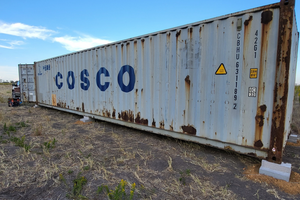
Buying a container and relocating one you already own are two different logistics problems. Initial delivery is handled by the seller’s truck and driver, but moving a container again later — to a new property, or to a different spot on the same lot — is something owners often have to arrange themselves.
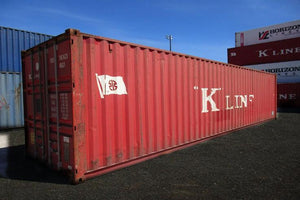
How containers are typically moved
Most container transport uses a tilt-bed truck, which lowers its bed to ground level, winches the container on, and lifts back to a driving position — no crane needed for a straightforward move on solid ground. For sites where a full-size delivery truck can’t maneuver, a smaller flatbed with a forklift or a rented crane may be needed instead.
Gooseneck trailer towing
For an owner who wants to move a container themselves rather than hiring transport each time, a gooseneck tunnel modification lets the container sit low enough on a gooseneck trailer to tow behind a pickup truck. This is popular for farm and mobile job-site containers that relocate more than once.
What to check before a move
Confirm the container is empty or that contents are secured — an unsecured load shifting during transport can damage both the contents and the container’s interior. Check that all doors are locked and, if the container has been modified with windows or cutouts, confirm those openings are structurally sound enough to handle the stress of lifting and transport; see our structural guide for how modifications affect a container’s rigidity.
Access and clearance at the new site
The same clearance rules that apply to original delivery apply to a relocation — see our delivery process guide for truck access requirements, and prepare the new site the same way you would for a first delivery, per our foundation & site prep guide.
Get help planning a move
Whether you’re buying a container that will need to relocate later or already own one, reach out for guidance on the right transport setup for your situation.
Laisser un commentaire