
Tool theft and weather damage are two of the most avoidable losses on a construction site, and a shipping container solves both at once: a lockable, weatherproof box that can be delivered before the first day of work and moved again once the job wraps.
Sizing for tools vs. materials
A 20ft container is usually enough for a small crew’s power tools, hand tools, and consumables. Larger crews or projects storing bulk materials — lumber, fixtures, mechanical equipment — typically need a 40ft container instead. See our dimensions guide for exact interior capacity.
Job-site security
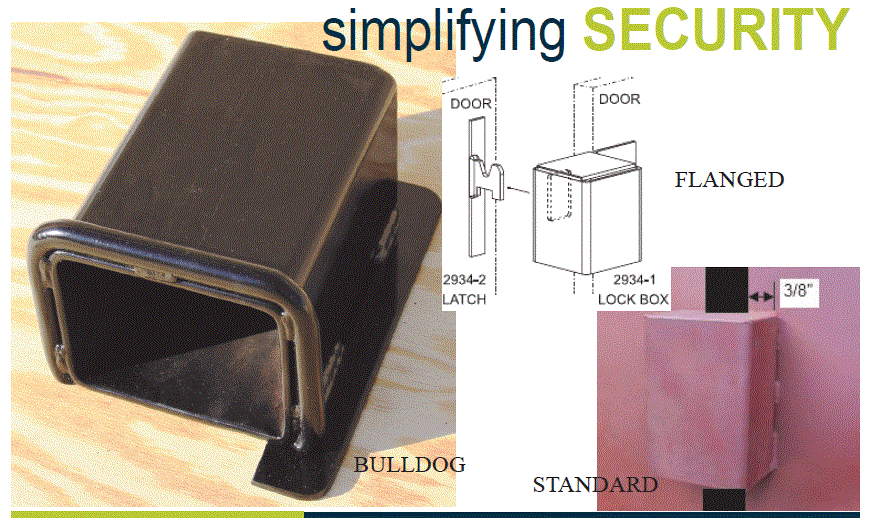
Tool theft from job sites is common enough that most contractors treat container security as a required expense, not optional. A welded lock box is the standard first upgrade — see our full security guide for hardware and site-setup tips that go beyond just the lock.
Placement and site logistics
Confirm delivery truck access before the container arrives — see our delivery process guide for clearance requirements — and place the container where it won’t block equipment movement or future phases of the build. A compacted gravel pad keeps the container level even as site conditions change during construction.
Rent for the project, buy for the company
For a single project, renting a container for the duration usually costs less than buying and reselling afterward. For a contracting company running multiple job sites long-term, buying pays for itself faster. See our renting vs. buying guide to run the numbers for your situation, or browse container rentals directly.
Get a job site set up
Check delivery availability for your site address, or request a quote covering delivery, a lock box, and the size that fits your crew.
Laisser un commentaire