
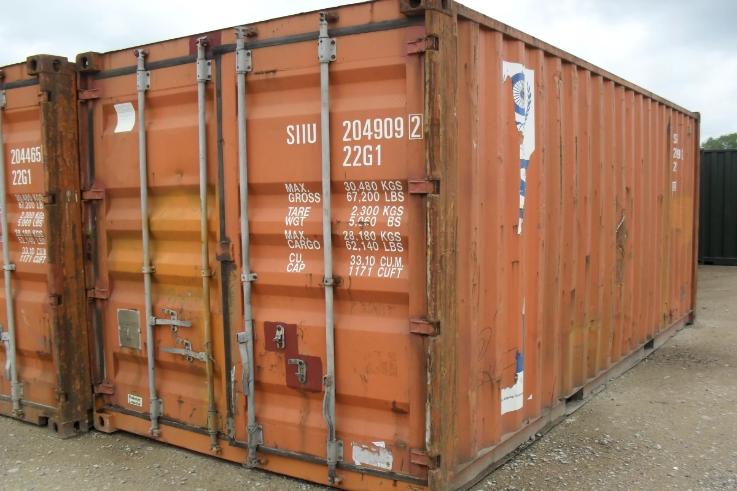
Searches like “buy used container”, “purchase used shipping container” and “used freight containers for sale” all come from buyers facing the same risk: you are paying for steel you may not see until it is on your property. A used container can be a great value, or a leaking, rusted box that costs more to fix than you saved. This checklist shows exactly what to inspect, in what order, and which questions to ask any seller, including us, before you pay.
Quick answer: check the roof, floor and doors first (they decide whether the box stays dry), then the corner castings and structure, then the details. Buy a grade that matches your use, ask for current photos of the exact unit, and confirm what the grade means in writing. Start with our grades explained guide.
Know the grades before you inspect
Used containers are sold in grades that describe condition. Names vary between sellers, so always ask what each term means. Our range includes:
| Grade | What to expect | Typical use |
|---|---|---|
| Economy | Visible wear, dents and rust possible; condition varies | Budget storage where cosmetics do not matter |
| Wind and water tight (WWT) | Sealed against wind and rain, may show cosmetic wear | Stationary storage on your property |
| Cargo worthy (CW) | Structurally sound enough to ship cargo | Storage and re-shipping |
| One trip / multi-trip | Newer containers that carried one or few loads | Best condition, modifications, long life |
See examples in our catalog: 20ft economy grade, 20ft wind and water tight, 20ft cargo worthy, 40ft high cube wind and water tight and 40ft high cube cargo worthy.
The 12-point used container inspection checklist
1. Do the “light test”
Step inside, close the doors, and let your eyes adjust. Any pinpoint of daylight is a hole or a failing seam. Check the roof, the sides, the door seals and the corners. Light means water gets in.
2. Inspect the roof
Look for dents that hold water, rust patches, and seams that are lifting. Standing water on a roof will eventually find its way through. If you cannot see the top, ask for photos of it.
3. Check the floor
Container floors are usually marine-grade plywood. Press and walk the whole length. Soft spots, stains, or delamination signal prior leaks. Replacing a floor is a major repair, not a quick fix.
4. Test the doors
The doors should open fully, close tightly, and lock without force. Check the hinges, the locking bars and cams, and the rubber gaskets. Torn gaskets cause leaks, but they are a cheap fix. Bent door frames are not.
5. Look at the corner castings
The eight corner castings are what lift and stack the container. Cracks, heavy rust, or damage there matter if you will ever move or stack the unit. See our stacking guide.
6. Check the structure for twisting
Walk around the container. Do the doors line up? Does the box sit flat? A racked or twisted container makes doors bind and seals fail.
7. Read the rust
Surface rust is common and manageable. Flaking, bubbling or through-rust (holes) is not. Pay particular attention to the bottom side rails and the roof corners where water collects.
8. Inspect the dents
Shallow dents are cosmetic. Deep creases, torn metal, or dents near the corner posts can mean structural damage.
9. Look for the CSC plate
Shipping containers carry a safety approval plate on the door. If you plan to re-ship the container, the plate and its current inspection status matter. For storage-only use, it is less important, but it still helps verify the unit’s history.
10. Smell the interior
A strong chemical smell may mean the container carried something you do not want near your own goods. Musty smells suggest moisture.
11. Check the paint and markings
Fresh paint can hide problems. Ask whether it has been repainted, and still check the steel underneath.
12. Confirm that the container you saw is the container you get
Used containers vary unit to unit. Ask for photos of the specific unit, with its container number, and make sure the unit delivered matches.
Want photos of the exact unit before you commit? Ask when you request your quote.
Questions to ask any seller
- What exactly does this grade mean, and is it in writing?
- Can I see recent photos of the exact unit, inside and out, including the roof?
- Is the price delivered, and what are the unloading requirements?
- What happens if the container arrives in worse condition than described?
- Are you the owner of the inventory, or a broker?
- Is the container suitable for modification if I plan to cut doors or windows?
At Container Depot Direct we sell direct from our depot network with condition grading and no broker markup. Read the 20ft used container guide and the cost and pricing guide to see what you should expect to pay.
Red flags
- A price far below every other seller with no explanation.
- Refusal to provide photos of the actual unit.
- Vague descriptions like “good condition” with no grade.
- Pressure to pay before you can see anything.
- No clear delivery terms.
After you buy: prepare your site
A good inspection is wasted if the container sits on soft ground. Level the site and keep the corners off bare soil; see the foundation and site preparation guide. Check the delivery process so a truck can actually place the box, and the lifespan and maintenance guide for upkeep that makes a used container last decades.
Frequently asked questions
Is it safe to buy a used shipping container online?
Yes, if the seller gives clear grade definitions, photos of the exact unit, and clear delivery terms. Avoid sellers who cannot answer basic condition questions.
What is the best used grade for storage?
Wind and water tight or cargo worthy suits most stationary storage. Economy can work for low-value items and lower budgets. One-trip containers are best for modifications.
Can I inspect the container before delivery?
Ask about photos or an inspection option when you request your quote.
How long does a used container last?
With a sound roof, dry site, and basic upkeep, many last for decades. See the lifespan guide linked above.
Next step
Pick your grade, request photos of the exact unit, and compare delivered prices.
See what is in stock and request a delivered quote.
Laisser un commentaire