
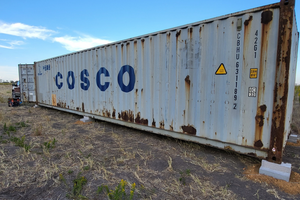
Cutting doors, adding windows, insulating, and running electrical are all common shipping container modifications — but not every cut is safe without reinforcement, and not every buyer wants to DIY the work. Here’s what’s realistic, what needs engineering, and how to decide between modifying a container yourself or buying one already converted.
Common Modifications
- Doors and windows — cut into the corrugated walls (not the corner posts or rails) and typically framed with steel tubing to restore the strength lost when steel is removed
- Insulation and interior finishing — spray foam, rigid panel, or batt insulation plus interior wall paneling, common for offices, cabins, and livable conversions
- Electrical and plumbing rough-in — wiring, outlets, lighting, and in some conversions plumbing for a bathroom or kitchenette
- HVAC — wall-mount mini-splits or through-wall units, since containers have no natural ventilation once sealed and insulated
- Roll-up or French doors replacing the standard cargo doors for easier access
- Paint and rust treatment — cosmetic refinishing, often paired with structural repairs on used units
What Needs Engineering, Not Just a Grinder
A container’s strength comes from its corner posts, top and bottom side rails, and the corrugated wall panels acting together. Cutting a large opening — a garage-door-sized wall, multiple windows in one panel, or removing a full end wall — can compromise that structure unless it’s reinforced with additional steel framing. Any modification larger than a standard door or window cutout is worth having reviewed by someone with container-conversion experience before you cut.
Buy Pre-Modified or Modify Your Own
If you want a livable or work-ready space without managing the fabrication yourself, browse our Container Cabins & Tiny Homes category, including the 53ft Retreat Cabin, for units that already have the cutting, framing, and finishing done. If you’d rather modify a raw container yourself, start with a Cargo-Worthy or Wind and Watertight unit rather than As-Is — see our new vs. used condition grade guide for what each grade means for a conversion project.
Check Local Rules Before You Cut
If the modified container will be a permanent structure — a cabin, office, or accessory building — check placement and permit requirements before you start cutting. See our zoning & permit basics guide for what to ask your local building department.
Related Articles
New vs. Used Shipping Containers: Which Should You Buy?
Shipping Container Zoning & Permit Basics
Shipping Container Weight Limits & Load Capacity
Shipping Container Insurance: Do You Need It?
Planning a towable modification? See our gooseneck & towable containers guide.
Laisser un commentaire