
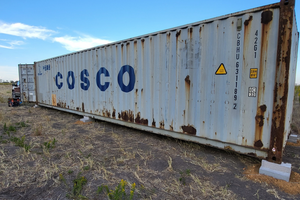
Storage is the single most common reason people buy a shipping container — no rent, no monthly fee, and a steel structure that will outlast almost anything you put inside it. The main decision is sizing it correctly for what you’re storing.
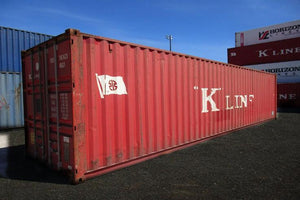
20ft containers: the household and small-business default
A 20ft container offers about 160 square feet of floor space — roughly the contents of a 1–2 bedroom home, a landscaping crew’s equipment, or several pallets of business inventory. It’s also easier to place on tighter residential lots and generally costs less to deliver given its smaller footprint. See exact interior measurements on our dimensions page.
40ft containers: for bigger households and businesses
A 40ft container roughly doubles that to around 320 square feet, enough for a full household move, construction equipment, or a business that needs serious inventory capacity. A 40ft High Cube adds another foot of height, which matters if you’re storing anything tall or plan to stack pallets.
New, used, or one-trip for storage?
For pure storage — no conversion, no insulation, just a dry, secure box — a cargo-worthy or wind-and-watertight used container is usually the best value, since cosmetic wear doesn’t affect how well it protects what’s inside. See our grades explained guide for the difference, and our pricing guide for current cost by size and grade.
Protecting what’s stored inside
Add a lock box if the container will sit somewhere unsupervised, and consider vents if you’re storing anything moisture-sensitive — see our ventilation guide for why that matters even in a sealed box.
Buy or rent?
If you only need storage for a few months, renting may cost less overall than buying — see our renting vs. buying guide to compare. Ready to move forward? Browse containers by size or check delivery availability in your area.
Need something smaller? See our 10ft container guide for tight-space options.
Laisser un commentaire