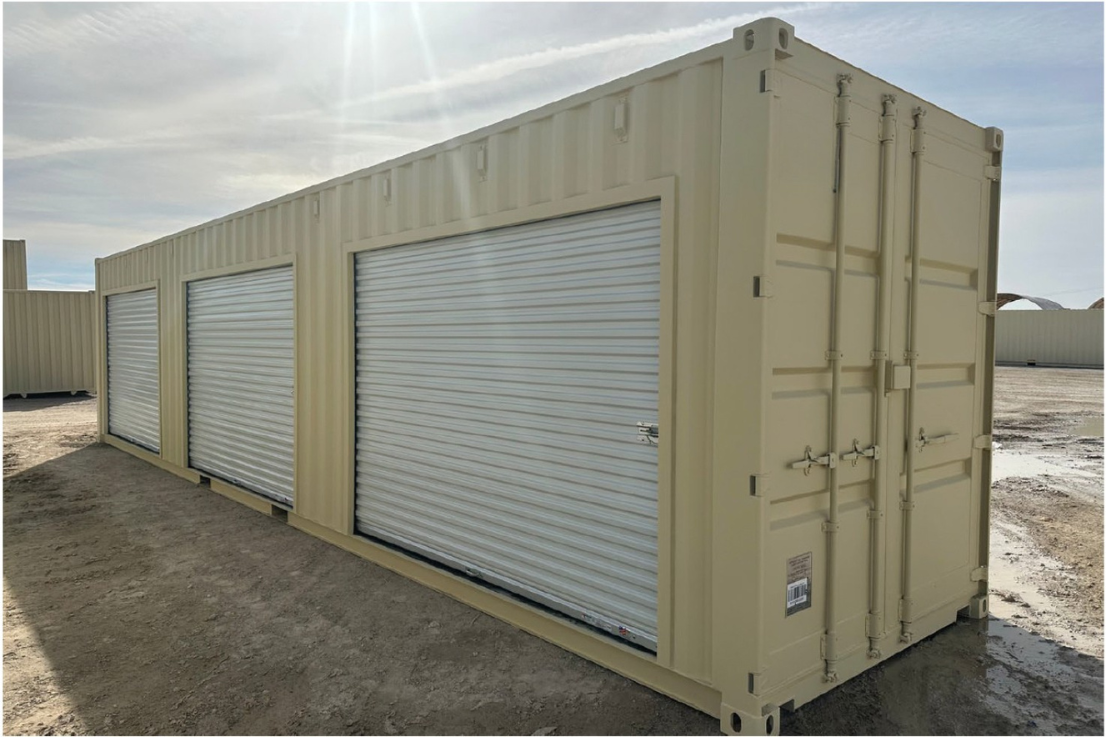
Yes — Container Depot Direct delivers new and used shipping containers throughout the Memphis metro, including Bartlett and Germantown. Whether it’s backyard storage, a job-site office, or a full container conversion, our depot network delivers directly to your Memphis property with tilt-bed or flatbed trucks.
Delivering Your Shipping Container to Memphis — Everything You Need to Know
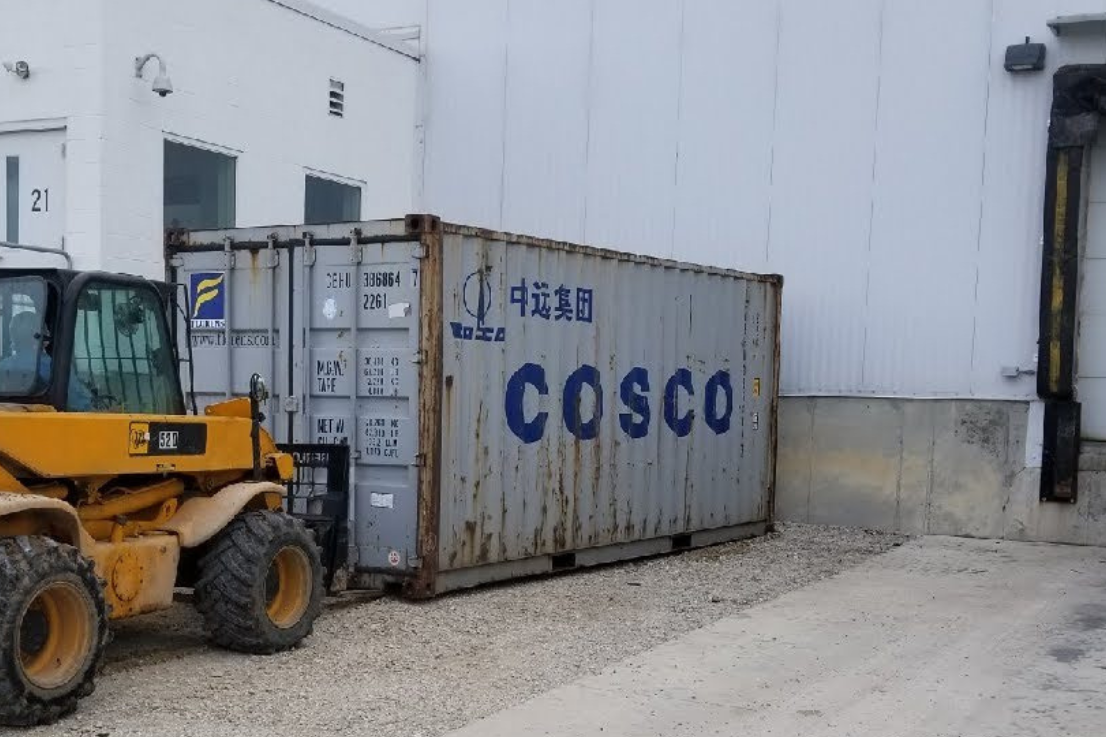
Containers delivered in and around Memphis ship from our East Coast and Gulf Coast depot network and arrive by tilt-bed or flatbed trailer. Tilt-bed delivery lowers the trailer and winches the container off the truck without a crane — the standard method for most residential driveways and level lots in the Memphis area. Flatbed delivery is used on active job sites where a crane or forklift is already on hand to set the container.
Containers are sold either CSC-plated (Container Safety Convention — structurally inspected and certified for stacking and re-shipment) or as Wind and Water Tight (WWT), which guarantees no holes, rust-through, or leaks at a lower price point. Most Memphis customers buying for stationary storage or conversion choose WWT; customers who may need to reship or stack units choose CSC-plated.
Typical delivery timeframes to Memphis run 3–7 business days from order confirmation. Our team will confirm your exact delivery window and review site access (driveway clearance, turning radius, ground surface) before dispatch.
Shipping Container Prices in Memphis, TN
- 20ft used (cargo-worthy / WWT): approximately $2,200–$3,600 USD
- 20ft new (one-trip): approximately $4,500–$6,500 USD
- 40ft used (cargo-worthy / WWT): approximately $3,400–$5,000 USD
- 40ft new (one-trip): approximately $6,500–$9,000 USD
- 40ft High Cube new (one-trip): approximately $7,200–$9,800 USD
Delivery cost into Memphis is quoted based on distance from the nearest depot. Try our container cost calculator for a quick estimate, or browse current inventory for real units and prices.
Is It Worth Buying a New (One-Trip) vs. Used Container in Memphis?
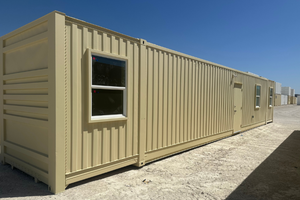
A new, one-trip container has made a single voyage from the factory and looks nearly showroom-new — the right choice for Memphis conversion projects (home offices, studios, ADUs) where appearance and maximum remaining service life matter.
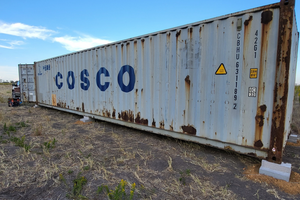
A used, cargo-worthy or WWT container costs less and shows cosmetic wear, but is fully weatherproof — the practical choice for straightforward storage in Memphis, and what most local customers choose. See our full new vs. used comparison for details.
Popular Uses for Shipping Containers in Memphis
- storm and hurricane preparedness storage
- farm, ranch and equipment storage
- Secure on-site storage for tools, equipment and inventory
Container Depot Direct delivers throughout the Memphis, TN metro with transparent, direct-from-depot pricing — no dealer markup. Browse available containers, check financing options, or visit our FAQ page for more on delivery, sizing, and condition grades.