
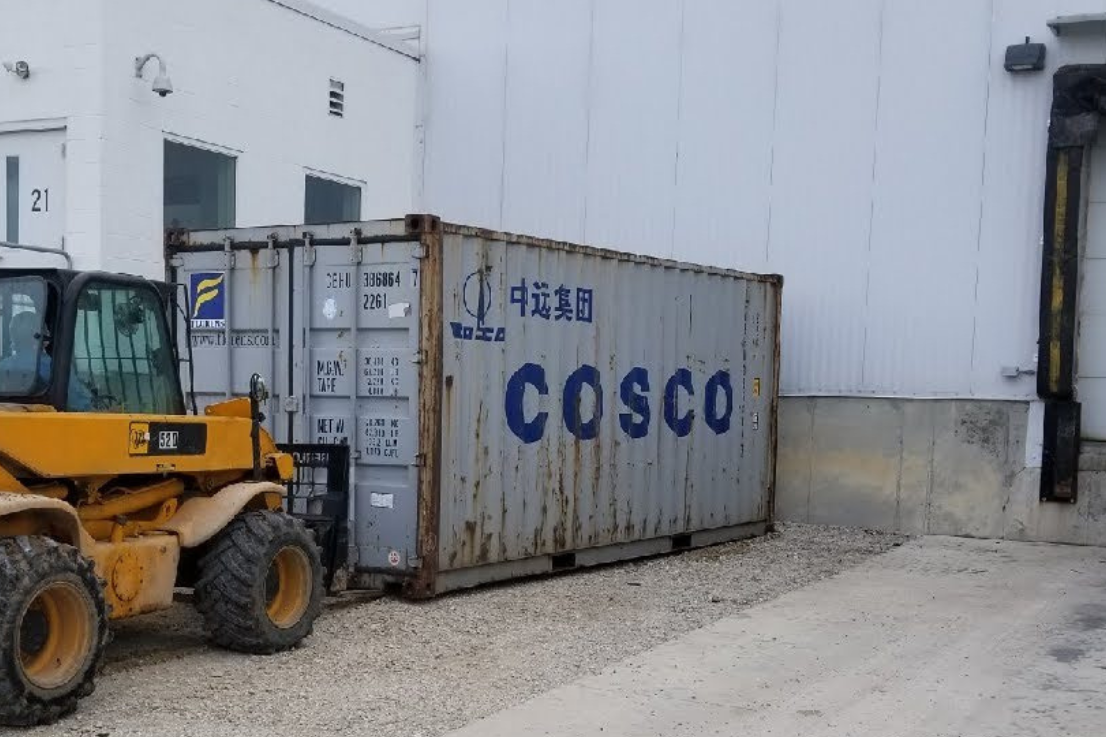
Shipping containers hold their value better than most equipment, but they’re not an appreciating asset the way real estate can be — think of buying one as locking in a usable structure at a fixed cost rather than a speculative investment. Here’s what actually drives resale value if you’re weighing the decision.
What Holds Container Value Up
- Steel scrap value acts as a floor — even a badly worn container is worth something for its raw steel, which limits how far resale value can fall
- Condition grade at purchase — a Cargo-Worthy or New/One-Trip unit depreciates more slowly than an As-Is unit, since it started in better shape
- Regional demand — resale value is stronger in areas with active construction, storage, or export demand for used containers
- Unmodified units resell easier — heavy modification (cut walls, removed sections) narrows the pool of buyers to those wanting exactly that conversion
What Actually Lowers Resale Value
- Rust that’s progressed past the surface into structural steel
- Non-standard modifications that limit reuse for shipping or standard storage
- Long-term outdoor placement without maintenance — see our lifespan and maintenance guide for what extends usable life
The Realistic Way to Think About It
For most buyers, the real return isn’t resale appreciation — it’s avoiding rental or storage-unit costs over time by owning instead. If you’re specifically weighing rent vs. buy, our renting vs. buying guide walks through that comparison. If you do eventually resell, buying a well-graded, unmodified container and maintaining it is what protects resale value most — not the size or brand you choose.
For current buy pricing by size and condition, see our pricing guide.
Related Articles
How Long Do Shipping Containers Last?
Renting vs. Buying a Shipping Container
Shipping Container Modifications: What’s Possible