🚚 Ready to order today? Use code SHIPTODAY50 for $50 off any order — no signup needed. Shop Now

Catégorie : Buying Guides

  • Container Grades Explained: One-Trip vs Cargo-Worthy vs Wind-and-Watertight

    Container Grades Explained: One-Trip vs Cargo-Worthy vs Wind-and-Watertight

    “Condition grade” is the single most important spec on a container listing after size, and it’s also the most misunderstood. Grades aren’t marketing labels — they come from real inspection standards used across the shipping industry. Here’s what each one actually means.

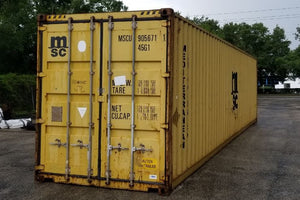
    Wind and water tight shipping container
    A wind-and-watertight container has no active leaks or structural damage, but shows visible wear from service.

    One-Trip

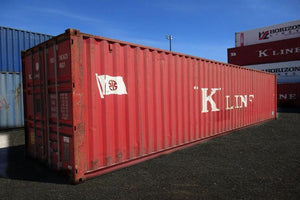
    One-trip containers have made exactly one loaded ocean voyage — from the factory (almost always in Asia) to their first port of call — before being sold. They’re the closest thing to new you can buy: minimal rust, straight panels, and only the cosmetic wear of a single trip. They cost more than used grades but far less than a brand-new, never-shipped unit, which makes them the most popular choice for buyers who want a clean container for a home, office, or business front.

    Cargo-Worthy (CW)

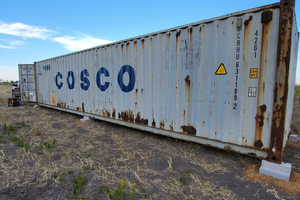
    Cargo-worthy containers have been inspected and certified fit to carry ocean freight again. They’ve typically made several trips, show real wear — surface rust, dents, faded paint — but have no structural damage, and their doors, seals, and floor all function properly. CW is a solid, cost-effective grade for storage, job-site use, or as a base for modification, since any cosmetic issues get covered up during a build-out anyway.

    Wind-and-Watertight (WWT)

    WWT containers are no longer certified for ocean freight, usually due to accumulated cosmetic damage or a few small issues, but they’re guaranteed to keep wind and rain out — no active leaks, no holes, and doors that seal properly. This is the budget-friendly grade for straightforward dry storage where structural certification for reshipping doesn’t matter, but a rust-free, leak-free box does.

    “As-Is” and economy grades

    Below WWT, some containers are sold “as-is” or as economy-grade units — functional but with cosmetic issues, and sometimes small deficiencies like a dented panel or a door that needs adjustment. These are the least expensive option and can work well for very tolerant storage uses, but they’re not a good starting point for a livable conversion.

    Which grade should you buy?

    For a home, office, or anything the public will see, one-trip is worth the premium. For general storage or job-site use, cargo-worthy or WWT typically offers the best value. Our new vs. used containers guide goes deeper on this decision, and our pricing guide shows how grade affects cost by size.

    Inspect before you buy

    Whatever grade you’re quoted, ask for current photos of the doors, floor, and roof, and confirm the grade in writing on your order. See our lifespan & maintenance guide for what to check and how long each grade should hold up. Ready to compare grades on real units? Browse our current inventory.

    Ready to buy at the right grade? See containers for storage and refrigerated containers for sale to shop by grade and size.
  • Shipping Container Security Guide: Locks, Lock Boxes & Anti-Theft Tips

    Shipping Container Security Guide: Locks, Lock Boxes & Anti-Theft Tips

    One reason shipping containers are so popular for job-site and business storage is that a steel box is already a lot harder to break into than a wood shed — but the factory door handles and standard padlocks that come stock on most containers are the weakest point in that security. Here’s how to actually lock one down.

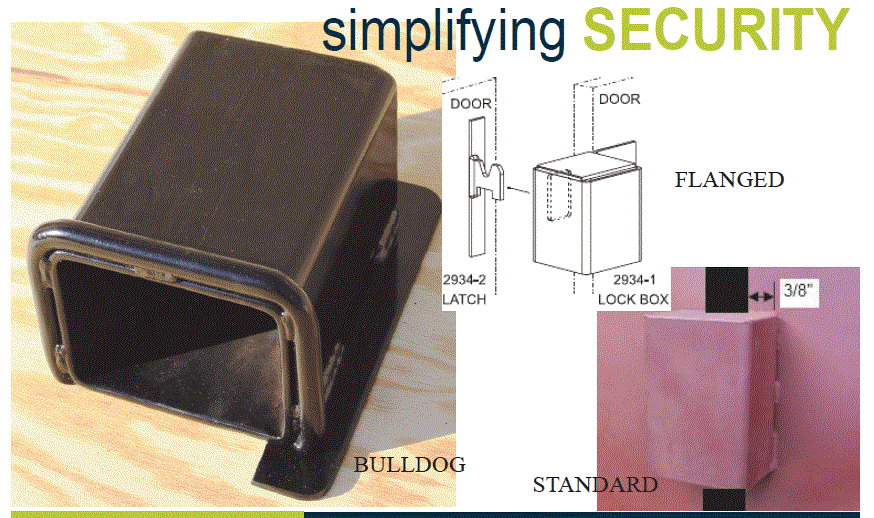
    Shipping container lock box installed over door handles
    A welded lock box covers the padlock entirely, leaving nothing for bolt cutters to grip.

    Why a standard padlock isn’t enough

    The factory locking bars on a container door are secure, but a padlock hanging on the outside of them is exposed to bolt cutters, cutting torches, and prying. A determined thief with the right tools can defeat an exposed padlock in under a minute. That’s the gap a lock box is built to close.

    Lock boxes: the standard upgrade

    A container lock box is a welded steel housing that covers the padlock and the locking rod handle entirely, leaving only a small keyhole exposed. Because there’s no shackle or body to get bolt cutters or a pry bar around, it removes the most common attack methods outright. It’s a one-time weld-on installation and, for most job sites and storage users, the single highest-value security upgrade available.

    Choosing the right padlock

    Once a lock box is installed, use a closed-shackle or disc-style padlock rated for outdoor use — the enclosed design resists cutting and picking better than a standard laminated padlock, and a weather-sealed body avoids the rust and seizing that makes locks unreliable after a season outdoors.

    Site setup matters as much as hardware

    Positioning the container with its doors facing away from the street or a fence line, parking equipment in front of the doors overnight, and keeping the area lit all reduce opportunity without spending anything on hardware. For higher-value contents, some job sites add a simple motion-activated light or camera aimed at the container doors.

    Related reading

    See our insurance guide for coverage on stored contents, and our guide to containers for construction sites for a full job-site security setup. Browse lock boxes and other accessories to harden any container you already own.

    Securing a job site? See our full guide to shipping containers for construction sites and portable storage for business.

    Adding power-free monitoring? See our solar security camera & motion light kit.

  • Are Shipping Containers a Good Investment? Resale Value Explained

    Are Shipping Containers a Good Investment? Resale Value Explained

    Shipping containers hold their value better than most equipment, but they’re not an appreciating asset the way real estate can be — think of buying one as locking in a usable structure at a fixed cost rather than a speculative investment. Here’s what actually drives resale value if you’re weighing the decision.

    What Holds Container Value Up

    • Steel scrap value acts as a floor — even a badly worn container is worth something for its raw steel, which limits how far resale value can fall
    • Condition grade at purchase — a Cargo-Worthy or New/One-Trip unit depreciates more slowly than an As-Is unit, since it started in better shape
    • Regional demand — resale value is stronger in areas with active construction, storage, or export demand for used containers
    • Unmodified units resell easier — heavy modification (cut walls, removed sections) narrows the pool of buyers to those wanting exactly that conversion

    What Actually Lowers Resale Value

    • Rust that’s progressed past the surface into structural steel
    • Non-standard modifications that limit reuse for shipping or standard storage
    • Long-term outdoor placement without maintenance — see our lifespan and maintenance guide for what extends usable life

    The Realistic Way to Think About It

    For most buyers, the real return isn’t resale appreciation — it’s avoiding rental or storage-unit costs over time by owning instead. If you’re specifically weighing rent vs. buy, our renting vs. buying guide walks through that comparison. If you do eventually resell, buying a well-graded, unmodified container and maintaining it is what protects resale value most — not the size or brand you choose.

    For current buy pricing by size and condition, see our pricing guide.

    Related Articles

    How Long Do Shipping Containers Last?
    Renting vs. Buying a Shipping Container
    Shipping Container Modifications: What’s Possible

  • Importing a Shipping Container: Customs & Regulations by Country

    Importing a Shipping Container: Customs & Regulations by Country

    Buying a shipping container from a U.S. exporter and having it delivered internationally means the container clears customs in your country before it reaches you. The paperwork is more predictable than it sounds — here’s the general process, and where to find country-specific notes.

    The Documents Involved

    • Commercial invoice — states the container’s value, used for calculating any duty or import tax owed
    • Bill of lading — the ocean carrier’s shipping document, proof of what’s being transported and to where
    • Packing list — describes the container itself (size, condition grade, any accessories)
    • Import declaration — filed with your country’s customs authority, often through a licensed customs broker

    We prepare the export-side documentation (commercial invoice, bill of lading) for every international order — you or your customs broker handle the import declaration on the receiving end.

    Duties and Import Tax Vary by Country

    Whether a used shipping container owes import duty, and at what rate, depends entirely on your country’s customs classification and current trade rules — we don’t publish a general duty rate because it varies too much to be reliable. What’s consistent everywhere: your customs broker or authority will classify the container by its HS (Harmonized System) code and assess any duty or import VAT/GST based on the commercial invoice value we provide.

    Working With a Customs Broker

    For anything beyond a small parcel, most buyers use a licensed customs broker to file the import declaration rather than doing it themselves — this is standard practice, not a sign of a complicated shipment. Freight forwarders and customs brokers at your destination port can usually quote their clearance fee before the container arrives, so it’s worth confirming that separately from our export quote.

    Country-Specific Notes

    We’ve published country-specific guides with import notes for several of our common export destinations, including Ireland, Singapore, New Zealand, the UAE, South Africa, and EU/EEA markets including Portugal, Poland, Sweden, Belgium, and Norway. If your destination isn’t listed, request a quote and we’ll walk you through what documentation your country typically requires.

    Request an Export Quote

    Tell us your delivery country and we’ll confirm container availability, export documentation, and estimated freight cost to your nearest port.

    Related Articles

    Shipping Container Zoning & Permit Basics

  • Shipping Container Weight Limits & Load Capacity

    Shipping Container Weight Limits & Load Capacity

    Every shipping container has a maximum gross weight rating set by international shipping standards — the combined weight of the container itself (tare weight) plus whatever it’s carrying (payload). Here’s what those standard ratings actually are, and what they mean if you’re loading, moving, or placing a container.

    Standard Weight Ratings by Size

    These are the typical ISO-standard ratings manufacturers certify containers to — always check the CSC (Convention for Safe Containers) plate on the actual unit’s door for its exact certified rating, since it can vary slightly by manufacturer and container age:

    • 20ft standard — tare weight around 4,900–5,100 lbs (2,200–2,300 kg); max gross weight around 52,900 lbs (24,000 kg); max payload roughly 47,900 lbs (21,700 kg)
    • 40ft standard — tare weight around 8,400–8,600 lbs (3,800–3,900 kg); max gross weight around 67,200 lbs (30,480 kg); max payload roughly 58,600 lbs (26,600 kg)
    • 40ft High Cube — similar max gross weight to standard 40ft, with slightly higher tare weight due to the extra height, so slightly less rated payload

    What This Means Outside of Shipping

    If you’re using a container for storage, a conversion, or as a foundation for a build, the max gross rating matters less than how the load is distributed. Containers are engineered to carry their rated weight through the corner castings and bottom rails — not through the floor or roof directly. A few things to keep in mind:

    • Point loads (a vehicle lift, heavy machinery, water tank) need to be positioned over the floor’s structural cross-members, not just anywhere on the plywood floor
    • Stacking containers relies on the corner castings lining up — off-center stacking isn’t rated the same as standard stacking
    • Roofs are rated for snow/rain load, not for foot traffic or equipment unless specifically reinforced

    Delivery Weight Considerations

    An empty container’s tare weight is also what determines what equipment can lift and deliver it. Our delivery process accounts for this automatically — see our delivery day guide for how placement works on your site.

    Related Articles

    Shipping Container Sizes: Complete Dimensions Guide
    Shipping Container Modifications: What’s Possible
    How Long Do Shipping Containers Last? Lifespan & Maintenance Tips

  • Shipping Container Modifications: What’s Possible

    Shipping Container Modifications: What’s Possible

    Cutting doors, adding windows, insulating, and running electrical are all common shipping container modifications — but not every cut is safe without reinforcement, and not every buyer wants to DIY the work. Here’s what’s realistic, what needs engineering, and how to decide between modifying a container yourself or buying one already converted.

    Common Modifications

    • Doors and windows — cut into the corrugated walls (not the corner posts or rails) and typically framed with steel tubing to restore the strength lost when steel is removed
    • Insulation and interior finishing — spray foam, rigid panel, or batt insulation plus interior wall paneling, common for offices, cabins, and livable conversions
    • Electrical and plumbing rough-in — wiring, outlets, lighting, and in some conversions plumbing for a bathroom or kitchenette
    • HVAC — wall-mount mini-splits or through-wall units, since containers have no natural ventilation once sealed and insulated
    • Roll-up or French doors replacing the standard cargo doors for easier access
    • Paint and rust treatment — cosmetic refinishing, often paired with structural repairs on used units

    What Needs Engineering, Not Just a Grinder

    A container’s strength comes from its corner posts, top and bottom side rails, and the corrugated wall panels acting together. Cutting a large opening — a garage-door-sized wall, multiple windows in one panel, or removing a full end wall — can compromise that structure unless it’s reinforced with additional steel framing. Any modification larger than a standard door or window cutout is worth having reviewed by someone with container-conversion experience before you cut.

    Buy Pre-Modified or Modify Your Own

    If you want a livable or work-ready space without managing the fabrication yourself, browse our Container Cabins & Tiny Homes category, including the 53ft Retreat Cabin, for units that already have the cutting, framing, and finishing done. If you’d rather modify a raw container yourself, start with a Cargo-Worthy or Wind and Watertight unit rather than As-Is — see our new vs. used condition grade guide for what each grade means for a conversion project.

    Check Local Rules Before You Cut

    If the modified container will be a permanent structure — a cabin, office, or accessory building — check placement and permit requirements before you start cutting. See our zoning & permit basics guide for what to ask your local building department.

    Related Articles

    New vs. Used Shipping Containers: Which Should You Buy?
    Shipping Container Zoning & Permit Basics
    Shipping Container Weight Limits & Load Capacity
    Shipping Container Insurance: Do You Need It?

    Planning a towable modification? See our gooseneck & towable containers guide.

  • Shipping Container Rentals: Sizes, Pricing & Availability Nationwide

    Shipping Container Rentals: Sizes, Pricing & Availability Nationwide

    Need a shipping container without buying one outright? Container Depot Direct rents 20ft, 40ft, and 40ft High Cube shipping containers by the month, with the same nationwide delivery network we use for container sales — plus export delivery to select international markets. Here’s what’s available to rent, how pricing works, and how to get a quote for your location.

    Shipping Container Sizes Available to Rent

    We currently offer three rental sizes, all wind- and watertight and structurally inspected before delivery:

    Browse all current rental listings in our container rental category.

    How Shipping Container Rental Pricing Works

    Rental rates depend on container size, condition, rental duration, and your delivery location, so we don’t publish a flat price — request a quote and we’ll confirm current availability and monthly pricing for your ZIP code or region. If you’re comparing the numbers yourself, our renting vs. buying guide walks through how to weigh a monthly rental rate against the cost of buying the same size outright.

    Common Reasons Customers Rent a Shipping Container

    • Short-term jobsite or construction storage while a project is active
    • Retail, restaurant, or warehouse overflow during a busy season or a remodel
    • Event, festival, or film production storage and staging
    • Moving, renovation, or downsizing storage between homes
    • Disaster recovery and temporary storage after property damage
    • Testing whether a container fits your workflow before committing to a purchase

    Shipping Container Rental Delivery: Nationwide and International

    Rental containers move through the same depot network as our sales inventory, so availability follows the same coverage: nationwide delivery across the U.S., with export delivery available to select international markets on request. Tell us your delivery ZIP or country when you request a quote and we’ll confirm whether rental inventory is available for your location and what delivery would cost.

    Renting vs. Buying a Shipping Container

    Renting makes the most sense for short-term or one-off needs — typically anything under about 6–12 months. For anything longer, buying usually works out cheaper over time. See our full breakdown in Renting vs. Buying a Shipping Container: Which Makes Sense? for the numbers behind that rule of thumb.

    Frequently Asked Questions

    How much does it cost to rent a shipping container?

    Rental cost depends on size, condition, term length, and delivery location. Request a quote for current pricing in your area — we don’t publish a flat nationwide rate because delivery and inventory availability vary by region.

    Can I rent a shipping container for just one month?

    Contact us with your timeline and location and we’ll confirm current minimum rental terms and availability — short-term rentals are one of the most common reasons customers reach out.

    What sizes of shipping containers can I rent?

    20ft, 40ft, and 40ft High Cube containers are currently available to rent. See the full rental lineup for details on each size.

    Do you deliver rental containers internationally?

    Yes, in select markets. Rental availability for export delivery depends on your destination — request a quote with your country and we’ll confirm what’s available.

    Is renting or buying a shipping container cheaper?

    It depends on how long you need the container. Short-term needs usually favor renting; anything beyond about a year usually favors buying. Our renting vs. buying guide shows how to run the comparison for your own timeline.

    Get a Shipping Container Rental Quote

    Browse the container rental listings and request a quote, or use the delivery ZIP form on our homepage to check availability. We’ll confirm size options, delivery timing, and current rental pricing for your location.

  • How Long Do Shipping Containers Last? Lifespan & Maintenance Tips

    How Long Do Shipping Containers Last? Lifespan & Maintenance Tips

    A shipping container is built to survive years of ocean transport, stacking, and rough handling — which is exactly why it holds up so well once it’s sitting still on your property. How long it actually lasts depends on its condition grade going in and a handful of maintenance habits after delivery.

    How Long Containers Typically Last

    A new (one-trip) container, properly maintained, can last 25 years or more before corrosion becomes a structural concern. A used cargo-worthy or wind-and-watertight container has already been in service, but is graded specifically because it still has substantial useful life left — often another 10–15+ years with reasonable care. Coastal, humid, and heavy-snowfall climates all shorten that timeline somewhat compared to a dry inland site.

    What Actually Shortens a Container’s Life

    • Standing water pooling on the roof or against the base instead of draining away
    • Rust starting at scratched or chipped paint and spreading if it isn’t caught early
    • Door seals and hinges left unlubricated, which accelerates wear at the points that flex most
    • Ground contact without a proper foundation, which traps moisture against the underside

    Simple Maintenance That Extends It

    • Set the container on blocks, gravel, or a poured foundation — never directly on bare soil
    • Touch up scratched paint promptly with a rust-inhibiting exterior coating
    • Lubricate door hinges and locking rods once or twice a year
    • Check the roof seams and corner castings after severe weather

    See our delivery day guide for foundation and site-access basics that set a container up to last, and our condition grade guide for what each grade already tells you about a used unit’s remaining lifespan.

    Related Articles

    New vs. Used Shipping Containers: Which Should You Buy?
    Shipping Container Insurance: Do You Need It?
    How Much Does a Shipping Container Cost in 2026? Pricing Guide
    Shipping Container Modifications: What’s Possible
    Shipping Container Weight Limits & Load Capacity

  • Shipping Container Insurance: Do You Need It?

    Shipping Container Insurance: Do You Need It?

    A shipping container is durable, but it isn’t indestructible — fire, severe weather, theft of tools stored inside, and liability if someone’s hurt on your property are all real possibilities. Whether you need a dedicated policy depends mostly on how you’re using the container.

    When Existing Coverage Might Already Apply

    If a container sits on residential property and is used strictly for personal storage, it may already be covered under your homeowner’s or renter’s policy as a detached structure or personal property — but coverage limits and exclusions vary a lot by insurer, so confirm it explicitly rather than assuming.

    When You Likely Need a Separate Policy

    • Commercial or business use — most homeowner’s policies exclude business property and business-related liability entirely
    • High-value inventory or equipment stored inside, beyond what a standard policy’s personal-property sub-limit covers
    • A conversion used as an occupied space — an office, cabin, or retail unit — which usually needs to be scheduled as a structure, not just contents
    • Container home shells during the build phase, before a standard homeowner’s policy would apply

    What a Container Policy Typically Covers

    Depending on the insurer, coverage can include the container structure itself, the contents stored inside, and liability if a third party is injured near it. Rates and available coverage vary by state, use case, and insurer — a local agent who already handles your property or business insurance is the right place to start, since they can quote it alongside your existing policy.

    Reducing Risk Either Way

    A weathertight, CSC-plated container with a secure locking system already reduces the most common claims — weather damage and theft. See our condition grade guide for what “wind and watertight” actually means structurally, and our delivery guide for site prep that keeps a container level and properly anchored.

    Related Articles

    New vs. Used Shipping Containers: Which Should You Buy?
    Shipping Container Zoning & Permit Basics
    10 Best Uses for a Shipping Container
    Are Shipping Containers a Good Investment? Resale Value Explained

  • Renting vs. Buying a Shipping Container: Which Makes Sense?

    Renting vs. Buying a Shipping Container: Which Makes Sense?

    If you’re only searching “rent a shipping container” because you assumed buying was out of reach, it’s worth running the numbers first — for anything beyond a short-term need, buying is usually the better deal. Here’s how to think through the decision.

    When Renting Usually Makes Sense

    • Short-term jobsite storage for a project under roughly 6–12 months
    • A one-off event, move, or seasonal overflow where you won’t need the container again
    • You want to test whether a container actually fits your workflow before committing to one

    When Buying Usually Makes Sense

    • Any use likely to run past about a year — rental costs add up and typically overtake a purchase price well before then
    • Permanent placement, or any conversion project: a site office, cabin, retail build-out, or cold storage unit
    • You’d rather build equity in an asset you can resell later than pay a recurring bill indefinitely

    The Simple Way to Compare the Two

    Rental pricing varies widely by size, region, and provider, so there’s no single number that applies everywhere. The comparison that actually matters is straightforward: take a local rental quote’s monthly rate, multiply it by how many months you expect to need the container, and compare that total to the price of buying the same size and condition outright. For most uses longer than a year, ownership wins — see our current pricing guide for what buying actually costs by size and condition.

    What Container Depot Direct Offers

    We sell new and used containers outright, and we also rent containers by the month for shorter-term needs. If the comparison above points to renting, browse our container rental listings and request a quote for current availability and pricing in your area. If buying is the better fit, start with our condition grade guide to choose between new and used, then check financing options if you’d rather spread the cost over time.

    Related Articles

    Shipping Container Rentals: Sizes, Pricing & Availability Nationwide
    How Much Does a Shipping Container Cost in 2026? Pricing Guide
    New vs. Used Shipping Containers: Which Should You Buy?
    Shipping Container Financing: How It Works and What to Expect

    See also: containers for construction sites, containers for storage, and portable storage for business.