Shipping containers are not one product. A bare 20ft box for jobsite storage, a refrigerated reefer for cold chain, and a finished container office are three very different purchases. This guide walks through every product line at Container Depot Direct: what each one is, what it costs right now, and who it suits. Prices are the listed prices at the time of writing, so check the live page before you buy.
Not sure which container you need?
Tell us your use, your size and your ZIP code and we will confirm a delivered price. Browse the full shop →
Quick Reference: Every Product Line
| Product line | Listed prices | Best for |
|---|---|---|
| 20ft standard containers | $1,177 to $2,625 | General storage, jobsites, small shipments |
| 40ft standard containers | $1,950 to $4,100 | Larger storage and freight |
| 40ft high cube containers | From $1,825 (dry grades) | Extra headroom, tall racking, conversions |
| Refrigerated (reefer) containers | $4,295 to $9,050 | Cold chain and temperature-controlled storage |
| Open side and double door containers | $3,500 to $6,125 | Wide access and drive-in loading |
| Portable storage units | $7,701 to $15,224 | Ready-to-use storage with roll-up or climate control |
| Container offices | $14,830 to $32,717 | Site offices and workspaces |
| Cabins and tiny homes | $31,971 to $87,003 | Living and retreat spaces |
| Accessories | About $65 to $8,496 | Doors, windows, vents, locks, office kits |
| Rentals | From $99 to $349 per month | Short-term needs |
20ft and 40ft Standard Containers
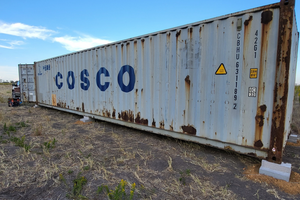
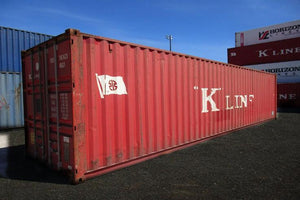
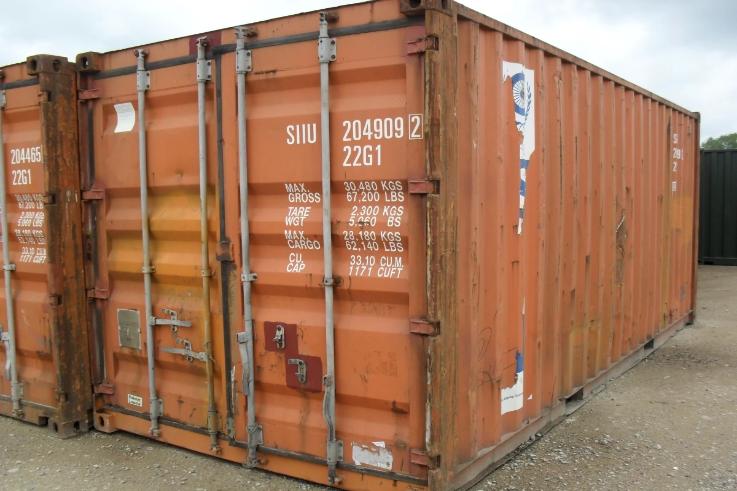
Standard dry containers are the core of the range. A 20ft box offers about 1,165 cubic feet inside and is the practical default for storage because it fits most sites and is easy to deliver. A 40ft standard doubles the length for typically much less than double the price. Each size comes in five grades, from economy through wind and watertight, cargo worthy, multi-trip and one-trip. Our 20ft containers run from $1,177 (economy) to $2,625 (one-trip), and 40ft standards from $1,950 to $4,100.
Start with our guides to container grades and which size to buy for storage, then see the full 20ft and 40ft listings: 20ft containers and 40ft containers.
40ft High Cube Containers
A high cube is one foot taller than a standard container: 9 ft 6 in outside and about 8 ft 10 in inside, with 2,694 cubic feet of volume in the 40ft version. That extra height is why high cubes are the usual choice for tall racking and conversions. Dry 40ft high cubes start at $1,825 for economy grade and rise through wind and watertight ($1,975), cargo worthy ($2,325), multi-trip ($3,400) and one-trip ($3,600) listings. Full specs and pricing are in our 40ft high cube guide and on the 40ft high cube category page.
Refrigerated (Reefer) Containers
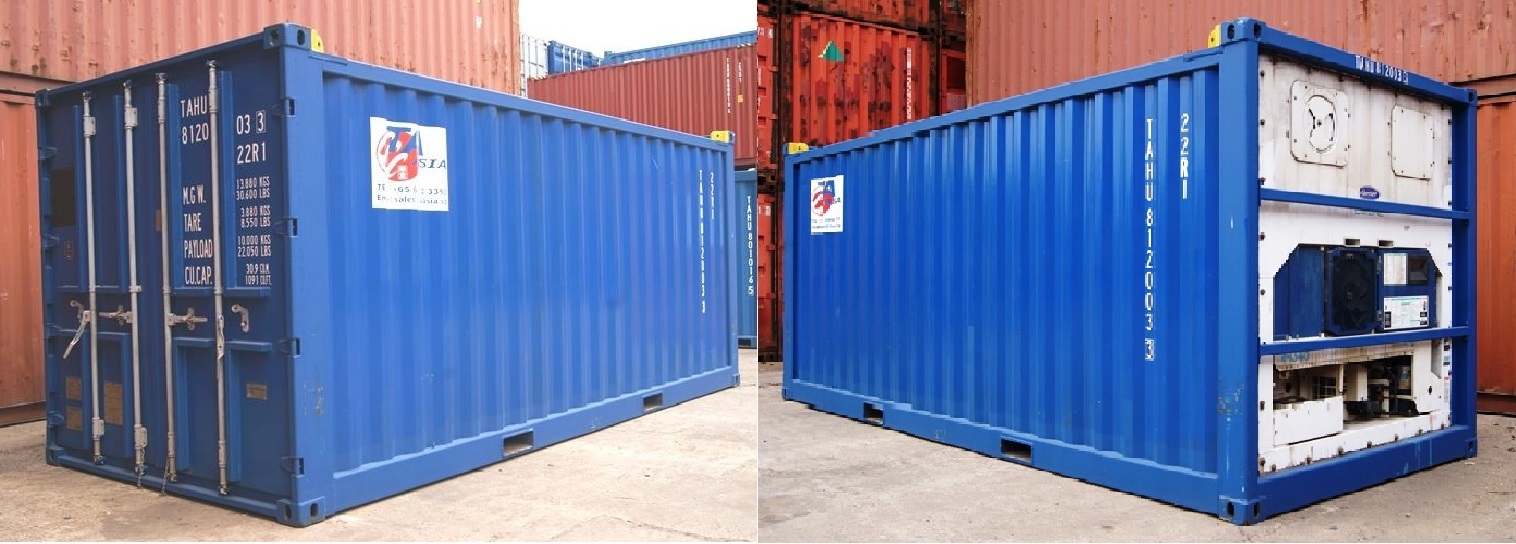
Reefers are insulated containers with a refrigeration unit for frozen, chilled and climate-controlled storage. Our 20ft function-tested reefer is listed from $4,295 with a stated temperature range of -25°C to +25°C and a 380-460V, 3-phase power requirement, and 40ft high cube working and non-working units are also listed. Non-working reefers are sold as insulated boxes without functioning refrigeration, so check which type you are buying. Read our reefer buying guide and see the full reefer range.
Open Side and Double Door Containers
If a standard end door is too restrictive, open side and double door containers give wider access for forklifts, long items and quick loading. Current listings include a 20ft one-trip with doors at both ends ($3,500), a 20ft one-trip side door ($5,150), a 40ft high cube double door open side ($5,195) and a 40ft high cube one-trip side door ($6,125). Browse the open side and double door category.
Portable Storage Units
These are modified containers ready to use. Our range includes 20ft and 40ft roll-up door storage units and climate-controlled units, from $7,701 to $15,224. They suit businesses that want finished, easy-access storage rather than a bare box. See the portable storage units and our guides to portable storage for business and climate-controlled containers.
Container Offices, Cabins and Tiny Homes
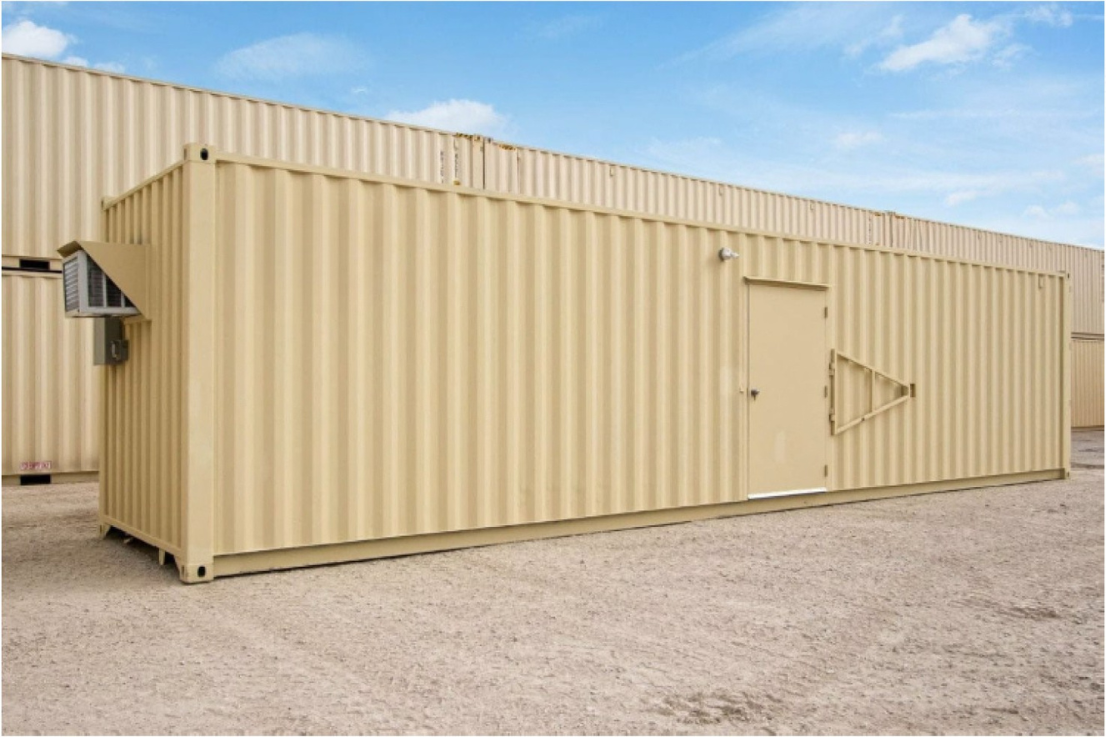
Finished conversions cover site offices, scale houses, bunkhouses and retreat cabins. Container offices are listed from $14,830 to $32,717, including 10ft, 20ft and 40ft options with bathroom and storage layouts. Cabins and tiny homes run from $31,971 to $87,003. Before you buy one, check zoning and permit rules for your location, particularly for occupied use. See the container offices, the cabins and tiny homes, and our guides to container homes and cabins and workshops and garages.
Accessories
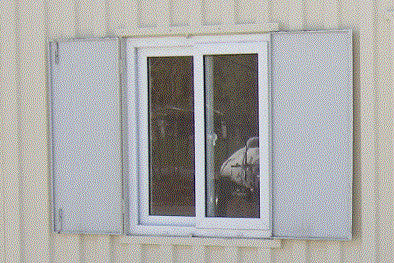
Accessories let you customise a container you already own: lock boxes, vents, windows, doors, roll-up doors with framing and threshold plates, window shutters, and a full office kit. Prices range from about $65 for a lock box to $8,496 for the office kit. See the accessories and our guide to container accessories.
Container Rentals
If you do not need to own one, rent. Our rental listings start at $99 per month for a 20ft container, $149 for a 40ft, $179 for a 40ft high cube, $219 for a 40ft high cube open side double door, and $349 for a 20ft refrigerated container. Final pricing depends on grade, term and delivery location. See our renting vs. buying guide and the rental listings.
How to Choose the Right Container
- Storing things on your own property: a 20ft or 40ft in wind and watertight or cargo-worthy grade.
- Need height or a conversion: a 40ft high cube.
- Shipping cargo: cargo worthy or one-trip, with a valid CSC plate.
- Temperature-sensitive goods: a working reefer.
- Wide-access loading: open side or double door.
- Ready-made space: a modified storage unit, office or cabin.
- Short-term need: a rental.
Delivery, Pricing and Next Steps
Containers are delivered by tilt-bed truck, so check that your site has a straight approach, firm level ground and overhead clearance. Delivery cost depends on the distance from the nearest depot to your address, and we confirm the delivered price when you request a quote. Our guides to container cost and pricing, the delivery process and site preparation cover the details, and our financing options can spread the cost.
Ready to buy?
Pick your product line above, then open the shop or contact our team for a delivered quote to your address.