
Steel holds heat and cold far more aggressively than a stick-framed wall, so climate control for a container conversion isn’t optional the way it might be for a garden shed — it’s what makes the space usable more than a few weeks a year.
Insulation comes first
Before choosing any heating or cooling equipment, get the container insulated — running HVAC in an uninsulated steel box means fighting a losing battle against a wall that transfers outside temperature almost instantly. See our insulation options guide for R-values and methods before sizing equipment.
Ductless mini-splits: the standard choice
A ductless mini-split is the most common climate control solution for container offices, cabins, and workshops, since it needs no ductwork — just a wall-mounted indoor unit connected to an outdoor compressor. Sizing depends on square footage and insulation quality; a well-insulated 20ft container typically needs less capacity than an equivalent uninsulated space.
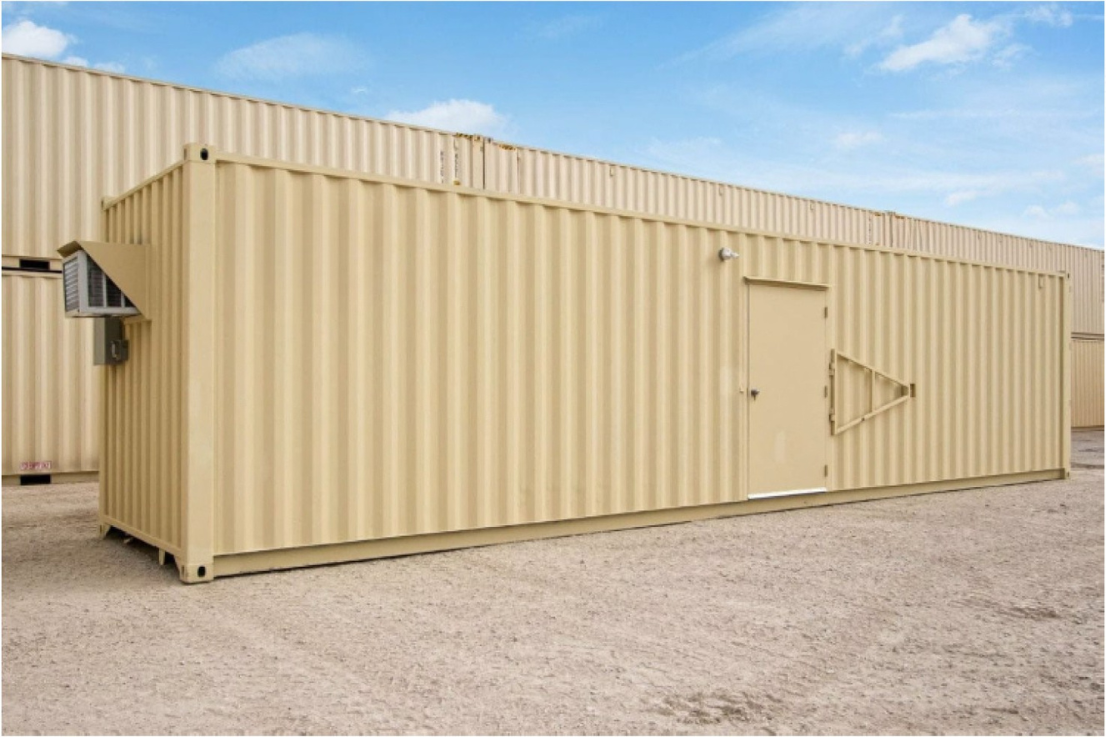
Portable and window units
For temporary or budget setups, a portable AC unit or a through-wall window unit can work, though neither is as efficient or as clean-looking as a mini-split. These make more sense for a job-site container used seasonally than for a permanent conversion.
Working reefers: purpose-built cold storage
If the goal is genuine cold storage rather than comfort cooling, a working reefer container is a completely different, purpose-built system rather than a retrofit — see our reefer buying guide for how that equipment differs from a comfort-cooling mini-split.
Powering climate control equipment
Mini-splits and window units both need a dedicated circuit sized to their draw — see our electrical wiring guide for how this is typically planned alongside insulation and general power needs.
Related reading
See our farm storage guide and workshop guide for use-case-specific climate control needs.
Leave a Reply