🚚 Ready to order today? Use code SHIPTODAY50 for $50 off any order — no signup needed. Shop Now

Category: Uses & Conversions

  • Buy a 20ft Refrigerated Reefer Shipping Container: -25C to +25C, 3-Phase, Function-Tested

    Buy a 20ft Refrigerated Reefer Shipping Container: -25C to +25C, 3-Phase, Function-Tested

    Cold chain failures are expensive: one warm week can spoil a season of produce, a pharmacy batch or a restaurant’s stock. A 20ft refrigerated (reefer) container gives you insulated, temperature-controlled storage that holds from -25°C to +25°C, on your site, in a box that can also travel. Buy direct from our depot network with every unit function-tested before it ships.

    REQUEST QUOTE: Order 20ft Refrigerated Containers Direct

    Listed from $4,295. Nationwide delivery available, financing and leasing options available. Request your quote →
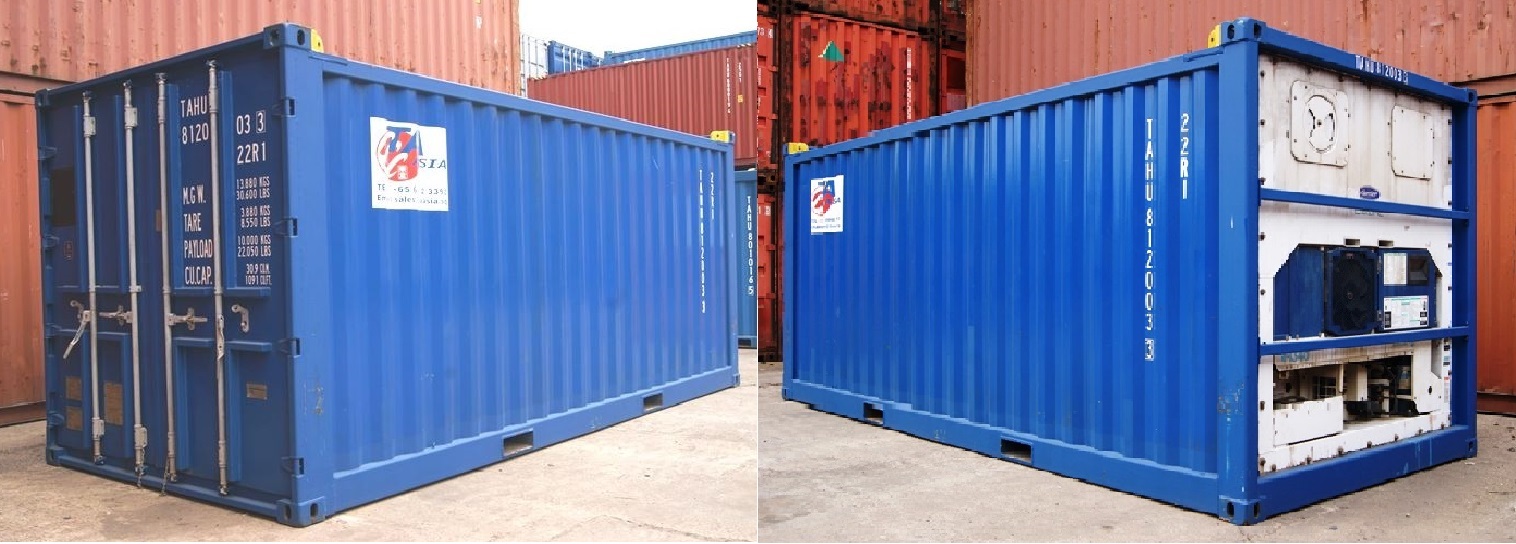
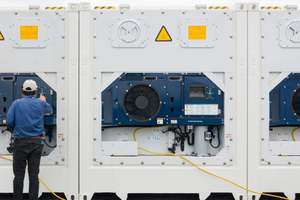
    20ft refrigerated reefer shipping container with refrigeration unit at the front end
    A 20ft refrigerated (reefer) container with its refrigeration unit at the front end.


    20ft Reefer Container Technical Specifications

    These are the specifications published on our 20ft Refrigerated Container (Reefer) product page. Exact specs for an individual unit are confirmed on your quote.

    Specification Imperial Metric
    Exterior (L x W x H) 20 ft 0 in x 8 ft 0 in x 8 ft 6 in 6.06 m x 2.44 m x 2.59 m
    Interior (L x W x H) 17 ft 8 in x 7 ft 5 in x 7 ft 5 in 5.44 m x 2.29 m x 2.29 m
    Door opening (W x H) 7 ft 5 in x 7 ft 3 in 2.26 m x 2.21 m
    Tare weight 6,780 lb 3,075 kg
    Max payload 60,470 lb 27,425 kg
    Cubic capacity 1,000 cu ft 28.3 cbm
    Temperature range -13°F to +77°F -25°C to +25°C
    Power requirement 380-460V, 3-phase (standard reefer plug)

    What the temperature range covers: -25°C to +25°C is suitable for frozen, chilled and climate-controlled storage. That makes one unit useful for frozen food, chilled produce, floral and nursery stock, and temperature-sensitive materials, from farm-to-market hauling to walk-in cold storage conversions.

    Reefer vs a dry container: the insulation and refrigeration machinery take up space, so interior volume is about 1,000 cubic feet versus about 1,165 for a standard 20ft dry container, and the empty weight is much higher (about 3,075 kg versus about 2,280 kg). In return you get active temperature control.

    Function-Tested Before It Ships: Our Reefer Inspection Standard

    A reefer is only as good as its refrigeration system, so this is the part to look at closely. Every 20ft reefer is function-tested before it leaves the depot, with the compressor, thermostat and door seals verified operational. You choose between two conditions:

    • New / one-trip: a like-new unit with a factory-fresh refrigeration unit, zero compressor cycles, full paint, and no dents or rust. It has made one ocean voyage.
    • Used, function-tested: compressor, thermostat and seals mechanically verified operational. Cosmetic wear such as surface rust and minor dents is graded and disclosed separately from mechanical condition, at meaningful savings over new. Used units have logged service hours, which is reflected in the price.

    Mechanical function and cosmetic condition are graded independently, so a unit can look worn but run well. We disclose both so you know exactly what you are buying. Ask us for the details of the specific unit you are considering, including the refrigeration unit make and model, before you order.

    Is a Reefer Right for You? Common Uses

    • Food and agriculture: frozen and chilled storage for producers, farm stands, caterers and restaurants.
    • Pharma and medical supplies: temperature-controlled storage where steady conditions matter. Confirm any regulatory requirements for your products.
    • Seasonal and event cold storage: extra capacity for peak periods without building a cold room.
    • Cold room conversions: a ready insulated shell for walk-in cold storage projects.

    Only need it for a season? Our 20ft refrigerated rental starts at $349 per month; see the 20ft reefer rental or compare with our reefer buying guide.

    REQUEST QUOTE: Order 20ft Refrigerated Containers Direct

    Tell us your ZIP code and whether you want new/one-trip or used function-tested. Request your quote →

    Reefer Buyer FAQs

    What are the electrical hookup requirements?

    The unit needs a 380-460V, 3-phase power source, connected through the standard reefer plug. Confirm that supply is available at your placement site before delivery, or budget for a portable generator. Units ship with the standard reefer plug, and a compatible power cord or cable can be added at checkout or sourced locally to suit your site. Have a qualified electrician confirm the connection.

    Can I run the reefer without external power during transport?

    No. Reefers need continuous power to hold temperature. For transport, a generator set (genset) or a reefer-equipped trailer with onboard power is required.

    Where can I place it?

    Choose a level, compacted surface (gravel, asphalt or concrete) rated for the unit’s loaded weight. Allow the footprint of a standard 20ft container plus room for the condenser unit to vent, and truck access for a tilt-bed or roll-off delivery. If you will use it for active cold storage, leave access for routine refrigeration maintenance. Our site preparation guide covers foundations and leveling.

    What controls does it have, and how do I set the temperature?

    The unit includes a thermostat, and we test it before shipping. The exact controller model depends on the individual unit, so ask us which controller your unit has and we will confirm it on your quote. Set the temperature within the unit’s -25°C to +25°C range and allow the box to reach temperature before loading product.

    New/one-trip or used: what is the difference?

    New/one-trip units have a factory-fresh compressor with zero run cycles. Used units are function-tested and verified operational but have logged service hours, reflected in the price.

    Can I finance or lease it?

    Yes. Financing and leasing options are available. Request a quote and our team will walk you through what is available for your business, or see our financing page.

    Request Your 20ft Reefer Quote

    Tell us your ZIP code and the condition you prefer, and we will confirm the delivered price and timing. You can also browse every refrigerated container we list, including 40ft high cube working and non-working units, or contact our team for a custom quote.

    REQUEST QUOTE: Order 20ft Refrigerated Containers Direct

    Instant freight and custom quote requests. Request your quote →
  • Shipping Containers for Backyard Studios & She-Sheds

    Shipping Containers for Backyard Studios & She-Sheds

    A backyard studio doesn’t need to be a full container home to be worth building — a single 10ft or 20ft container, finished simply, makes a genuinely nice personal space for a home office, art studio, gym, or just a room that’s entirely yours.

    Shipping container backyard studio
    A finished container studio brings a genuinely nice personal space into a backyard.

    Sizing a backyard studio

    A 10ft container fits a small desk-and-chair studio or a compact gym in yards where space is tight. A 20ft container gives enough room for a proper art studio, a home office with a meeting nook, or a small guest studio — see our dimensions page to plan the layout.

    Insulation and comfort matter most here

    Because a backyard studio is meant to be comfortable, not just weatherproof, insulation and climate control aren’t optional the way they might be for pure storage — see our insulation guide and climate control guide before finalizing a build.

    Making it feel like a real room

    Windows bring in natural light that makes a studio feel far less like a box, and exterior finishing touches go a long way too — see our landscaping & curb appeal guide for ideas that apply just as well to a small studio as a full home build.

    Permits for a backyard structure

    Even a small studio can trigger permitting requirements depending on your municipality and whether it has plumbing or permanent power — check our zoning & permits guide before you build.

    Start your studio build

    Browse our cabin & small container models or ask about a simple insulated shell sized for your yard.

  • Climate-Controlled Shipping Containers for Sale

    Climate-Controlled Shipping Containers for Sale

    Standard containers handle weather just fine, but anything temperature-sensitive — electronics, certain retail inventory, paper records, or people working inside for full days — needs real climate control, not just a sealed steel box.

    Climate controlled shipping container for sale
    A climate-controlled unit combines insulation and HVAC to hold a stable interior temperature.

    What “climate-controlled” actually includes

    Our 40ft climate-controlled storage unit pairs insulation with a small HVAC system, so interior temperature stays stable regardless of outside conditions rather than just staying dry. This is a meaningfully different product than a standard storage container with vents added.

    Business and inventory uses

    Climate control matters most for business inventory that degrades with temperature swings, and for any records or electronics storage where humidity and heat cause real damage over time, not just cosmetic wear.

    Building your own from a standard container

    If you’d rather start with a standard container and add climate control yourself, see our insulation guide and heating & cooling guide for how to spec insulation and a mini-split unit for your specific use case.

    Cold storage is a different product

    If you actually need refrigeration-level cold rather than comfort temperatures, that’s a working reefer, not a climate-controlled unit — see our reefer guide for the distinction.

    Get a climate-controlled container

    Browse portable storage units or ask about adding climate control to any container order.

  • Shipping Container Landscaping & Curb Appeal Ideas

    Shipping Container Landscaping & Curb Appeal Ideas

    A container conversion can look like a genuine small building or like a box someone dropped in a yard, and the difference usually comes down to a handful of finishing touches around the exterior rather than anything structural.

    Shipping container cabin with landscaping
    Siding, trim, and a deck turn a container into something that reads as a small building.

    Paint and siding do the heaviest lifting

    A fresh coat of paint in a color that isn’t shipping-line orange or blue immediately changes how a container reads, and adding siding over the corrugated steel — wood, metal panel, or composite — goes even further toward making it look residential. See our roofing options guide for how roof style pairs with exterior finish choices.

    A deck or porch changes the whole approach

    Adding a small deck or covered porch at the entry does more for curb appeal than almost any other single addition — it breaks up the box shape, gives visitors a transition space, and is relatively simple to build since it doesn’t attach structurally to the container itself in most designs.

    Skirting the base

    A raised container on piers or blocks (see our foundation guide) often benefits from skirting around the base — lattice, stone veneer, or landscaping timbers — to hide the gap underneath and tie the structure visually to the ground.

    Planting around the container

    Low shrubs, raised planter beds, or a simple gravel border along the base softens the hard edges of a steel structure more than people expect. Keep plantings a foot or two back from the walls so you’re not trapping moisture against the steel — see our maintenance guide for why that matters for rust prevention.

    Related reading

    See our homes & cabins for sale and backyard studio ideas for finished examples of these details in practice.

  • Shipping Container Cleaning & Interior Prep Before Move-In

    Shipping Container Cleaning & Interior Prep Before Move-In

    A container fresh off a delivery truck — especially a used one — usually needs some cleanup before it’s ready for sensitive storage or a conversion build-out. Here’s what that typically involves.

    Clean shipping container interior ready for use
    A cleaned, dry interior is worth checking before storing anything moisture-sensitive.

    Odors from prior cargo

    Used containers can carry faint odors from whatever they last shipped — this is usually cosmetic and fades with airflow, but a stronger or chemical smell is worth investigating before storing food, textiles, or anything else that absorbs odor easily. Leaving the doors open with fans running for a day or two before move-in resolves most cases.

    Surface rust and residue

    Light surface rust on the floor’s steel cross-members or interior seams is cosmetic and doesn’t need treatment for basic storage use, but if you’re finishing the interior for a conversion, a wire brush and a rust-inhibiting primer on any exposed spots is cheap insurance against it spreading under new wall finishes. See our lifespan & maintenance guide for ongoing rust prevention.

    Floor cleaning and sealing

    Sweep out any residual dunnage, debris, or old strapping, then check the plywood floor for soft spots before sealing or covering it — see our flooring guide for sealing options and when the floor needs more than a clean.

    Checking seals and door hardware

    Confirm door gaskets are intact and the locking bars move freely — a dry, cracked gasket lets in moisture that undoes any interior prep work you’ve done. This is also a good time to add a lock box if the container doesn’t already have one.

    Before you store anything moisture-sensitive

    Once the interior is clean and dry, add desiccant packs for an extra layer of protection — see our ventilation guide for the bigger picture on moisture control.

  • Shipping Container Climate Control: Heating & Cooling Options

    Shipping Container Climate Control: Heating & Cooling Options

    Steel holds heat and cold far more aggressively than a stick-framed wall, so climate control for a container conversion isn’t optional the way it might be for a garden shed — it’s what makes the space usable more than a few weeks a year.

    Climate controlled shipping container
    A climate-controlled container keeps interior temperature stable regardless of the season.

    Insulation comes first

    Before choosing any heating or cooling equipment, get the container insulated — running HVAC in an uninsulated steel box means fighting a losing battle against a wall that transfers outside temperature almost instantly. See our insulation options guide for R-values and methods before sizing equipment.

    Ductless mini-splits: the standard choice

    A ductless mini-split is the most common climate control solution for container offices, cabins, and workshops, since it needs no ductwork — just a wall-mounted indoor unit connected to an outdoor compressor. Sizing depends on square footage and insulation quality; a well-insulated 20ft container typically needs less capacity than an equivalent uninsulated space.

    Portable and window units

    For temporary or budget setups, a portable AC unit or a through-wall window unit can work, though neither is as efficient or as clean-looking as a mini-split. These make more sense for a job-site container used seasonally than for a permanent conversion.

    Working reefers: purpose-built cold storage

    If the goal is genuine cold storage rather than comfort cooling, a working reefer container is a completely different, purpose-built system rather than a retrofit — see our reefer buying guide for how that equipment differs from a comfort-cooling mini-split.

    Powering climate control equipment

    Mini-splits and window units both need a dedicated circuit sized to their draw — see our electrical wiring guide for how this is typically planned alongside insulation and general power needs.

    Related reading

    See our farm storage guide and workshop guide for use-case-specific climate control needs.

  • Shipping Container Pop-Up Shops & Retail Kiosks for Sale

    Shipping Container Pop-Up Shops & Retail Kiosks for Sale

    A container storefront turns heads precisely because it doesn’t look like a typical retail box, and it comes with a practical advantage too: the structure, security, and weather protection are already built in, so the build-out is mostly about the customer-facing finish.

    Open side shipping container for retail kiosk conversion
    An open-side container converts easily into a walk-up service window or display storefront.

    Open-side and double-door layouts

    Our open side / double door container replaces most of one wall with wide door openings, which is the layout most pop-up shops and service windows are built around — it lets customers see and access the interior directly rather than through a single standard door.

    What a retail build-out typically adds

    Beyond the base container, most retail conversions add a service counter or walk-up window, display windows, insulation and a small HVAC unit for staff comfort, and exterior finish work (siding, signage mounts, paint) to match a brand. See our modifications guide for the full range of what’s structurally possible.

    Permitting a retail placement

    Retail and food-service placements typically face more scrutiny than storage or job-site containers, especially in commercial zones or shared parking lots. Check with your local planning department early — see our zoning & permits guide for the questions to ask before committing to a location.

    Mobile vs. permanent placement

    Some pop-up concepts move between locations or seasons, which favors a rented container over a purchased one — see our renting vs. buying guide. A permanent storefront location generally favors buying and finishing a container outright.

    Start your retail build

    Browse open-side & double-door containers or ask about combining a build-out with financing through our financing options.

  • Shipping Containers for Agricultural & Farm Storage: Sizes & Add-Ons

    Shipping Containers for Agricultural & Farm Storage: Sizes & Add-Ons

    Farms deal with a wider range of storage needs than almost any other property type — equipment, feed, chemicals, and sometimes perishable produce — and a shipping container’s combination of security and weather resistance fits almost all of them.

    Refrigerated shipping container for farm produce storage
    A working reefer container gives a farm on-site cold storage during harvest without a walk-in cooler build.

    Equipment and feed storage

    A 40ft container keeps tractors’ attachments, hand tools, and equipment secure and dry between seasons, while feed and chemical storage benefit from the same sealed, rodent-proof structure that makes containers useful for any dry-goods storage. A roll-up door unit makes loading feed bags or moving equipment in and out far easier than standard swing doors.

    Cold storage for produce

    During harvest, a working reefer container gives a farm on-site cold storage for produce without the capital cost of building a walk-in cooler — see our reefer buying guide for power requirements and pricing.

    Placement on farm and ranch land

    Rural properties usually have more flexibility on placement and fewer neighbors to consider, but delivery access still matters — confirm truck clearance to the intended spot per our delivery process guide, especially for containers headed to a field or pasture rather than a driveway.

    Weatherproofing and ventilation

    For anything stored long-term through humid or freezing seasons, add vents to prevent condensation damage to feed, seed, or equipment — see our ventilation guide for why this matters even in a sealed steel structure.

    Get containers delivered to your property

    Browse refrigerated and standard storage containers, or check delivery to your area.

  • Shipping Container Workshops & Garages for Sale: Setup Options

    Shipping Container Workshops & Garages for Sale: Setup Options

    A container workshop gives you a lockable, weatherproof workspace for woodworking, mechanics, or general fabrication without the cost of a stick-built garage — and unlike a garage, it can be relocated later if your needs change.

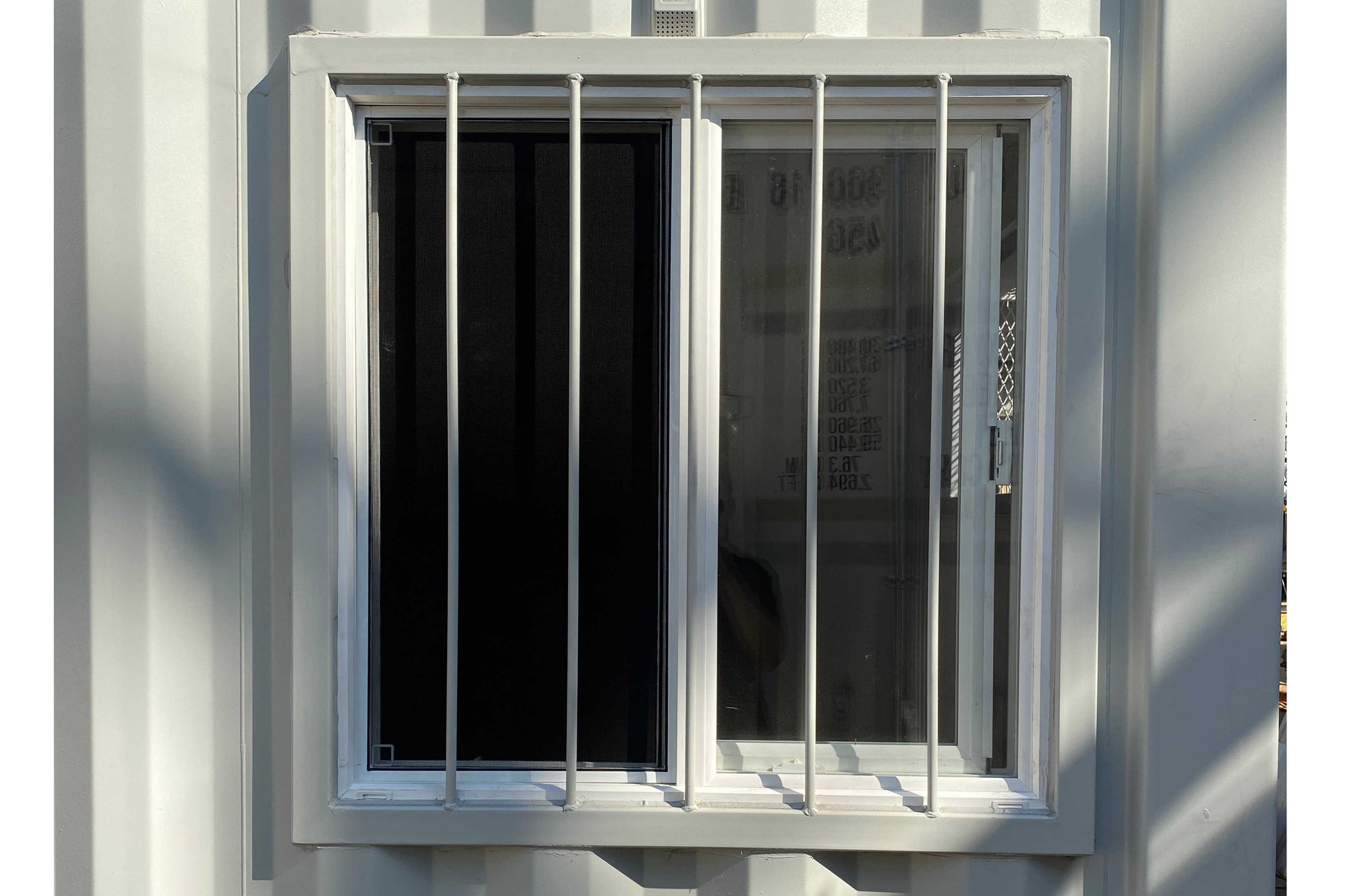
    Shipping container window for a workshop conversion
    Security-barred windows bring natural light into a workshop without sacrificing security.

    Sizing your workshop

    A 20ft container gives enough room for a single-bay workshop — a workbench, wall-mounted tool storage, and space to move around a project. A 40ft or 40ft high cube container roughly doubles that, enough for a small vehicle bay alongside a dedicated bench area. See exact dimensions before deciding.

    Light and ventilation

    Unlike storage containers, a workshop benefits from natural light and airflow. Windows with security bars bring in daylight without giving up the container’s inherent security, and adding vents or an exhaust fan matters even more here than in storage use, since workshops generate heat, fumes, and dust that need somewhere to go. See our ventilation guide for setting this up properly.

    Power for tools and equipment

    Workshops typically need more circuits and higher amperage than a simple office conversion, especially for 220V equipment like table saws or welders. Plan your electrical service around your heaviest tool’s draw — see our electrical wiring guide for how service panels and circuits are typically run in a container.

    Insulation for year-round use

    If you’ll use the workshop through cold or hot months, insulate it the same as you would an office — see our insulation guide for options that fit a workshop budget.

    Start your build

    Browse base container options to convert, or ask about combining a roll-up door, windows, and insulation into a single custom workshop order.

  • Modified Shipping Containers for Sale: Doors, Windows & Custom Builds

    Modified Shipping Containers for Sale: Doors, Windows & Custom Builds

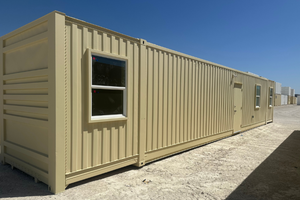
    A modified container starts as a standard steel box and gets cut, reinforced, and finished for a specific use — anything from a single roll-up door added to a storage unit to a fully built-out cabin with windows, insulation, and interior walls.

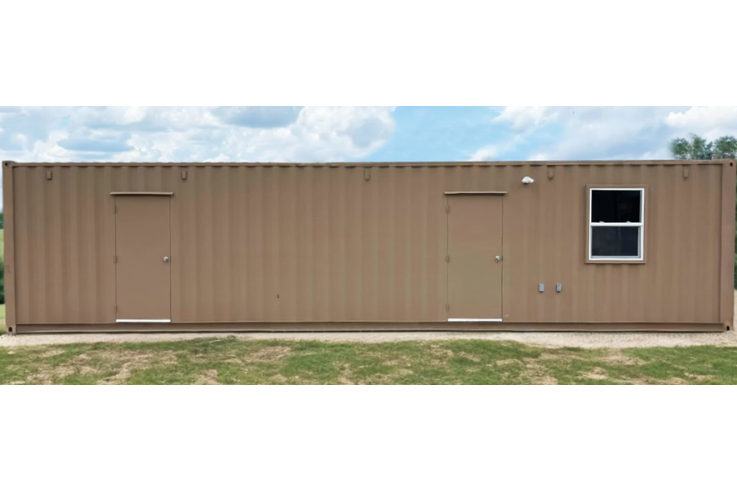
    Modified shipping container bunkhouse cabin
    A fully modified bunkhouse cabin — cut, framed, insulated, and finished from a standard container shell.

    Light modifications

    The simplest modifications add functionality without touching the container’s core structure much: a personnel door cut into a side wall, windows with security bars, or a roll-up door replacing one end for drive-in access. These are common upgrades to an otherwise standard storage or job-site container.

    Full conversions

    At the other end, a full conversion like our 40ft bunkhouse cabin combines multiple cuts (windows, doors, vents), structural reinforcement around each opening, insulation, interior framing, and finished walls — essentially a small building built from a container shell rather than lumber.

    Why reinforcement matters

    Every cut into a container’s steel skin removes some of its structural rigidity, which is why legitimate modification work reinforces each opening with additional steel framing rather than just cutting a hole and trimming it out. This is also why stacking or structural load ratings change once a container has been modified — see our stacking guide for why that matters on multi-container builds.

    Popular modification combinations

    Beyond cabins and offices, common modification packages include roll-up door storage units, side-opening containers for retail or display, and multi-container combinations with connecting cutouts for larger open spaces. See our full modifications guide for a complete breakdown of what’s structurally possible.

    Ordering a custom modification

    Browse our modified container lineup for ready-built options, or reach out to discuss a custom combination of cuts, insulation, and finishes for your specific project.