🚚 Ready to order today? Use code SHIPTODAY50 for $50 off any order — no signup needed. Shop Now

Blog

  • Shipping Containers for Construction Sites: Job-Site Storage & Security

    Shipping Containers for Construction Sites: Job-Site Storage & Security

    Tool theft and weather damage are two of the most avoidable losses on a construction site, and a shipping container solves both at once: a lockable, weatherproof box that can be delivered before the first day of work and moved again once the job wraps.
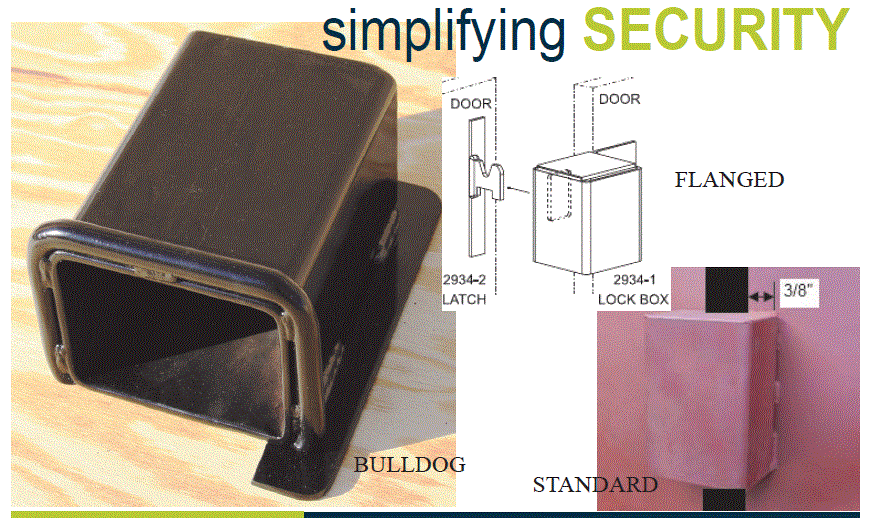
    Locked shipping container on a construction site
    A lock box turns a job-site container into a genuinely secure place to store tools and materials.

    Sizing for tools vs. materials

    A 20ft container is usually enough for a small crew’s power tools, hand tools, and consumables. Larger crews or projects storing bulk materials — lumber, fixtures, mechanical equipment — typically need a 40ft container instead. See our dimensions guide for exact interior capacity.

    Job-site security

    Tool theft from job sites is common enough that most contractors treat container security as a required expense, not optional. A welded lock box is the standard first upgrade — see our full security guide for hardware and site-setup tips that go beyond just the lock.

    Placement and site logistics

    Confirm delivery truck access before the container arrives — see our delivery process guide for clearance requirements — and place the container where it won’t block equipment movement or future phases of the build. A compacted gravel pad keeps the container level even as site conditions change during construction.

    Rent for the project, buy for the company

    For a single project, renting a container for the duration usually costs less than buying and reselling afterward. For a contracting company running multiple job sites long-term, buying pays for itself faster. See our renting vs. buying guide to run the numbers for your situation, or browse container rentals directly.

    Get a job site set up

    Check delivery availability for your site address, or request a quote covering delivery, a lock box, and the size that fits your crew.
  • Portable Storage Containers for Business: On-Site Storage Made Easy

    Portable Storage Containers for Business: On-Site Storage Made Easy

    For a business that needs more space without a lease commitment, a portable storage container delivered right to the lot is often faster and cheaper than renting warehouse space, especially for inventory that only needs to be accessed occasionally.

    Climate controlled portable storage container for business
    A climate-controlled storage container protects temperature-sensitive inventory on-site.

    Roll-up door units for easy access

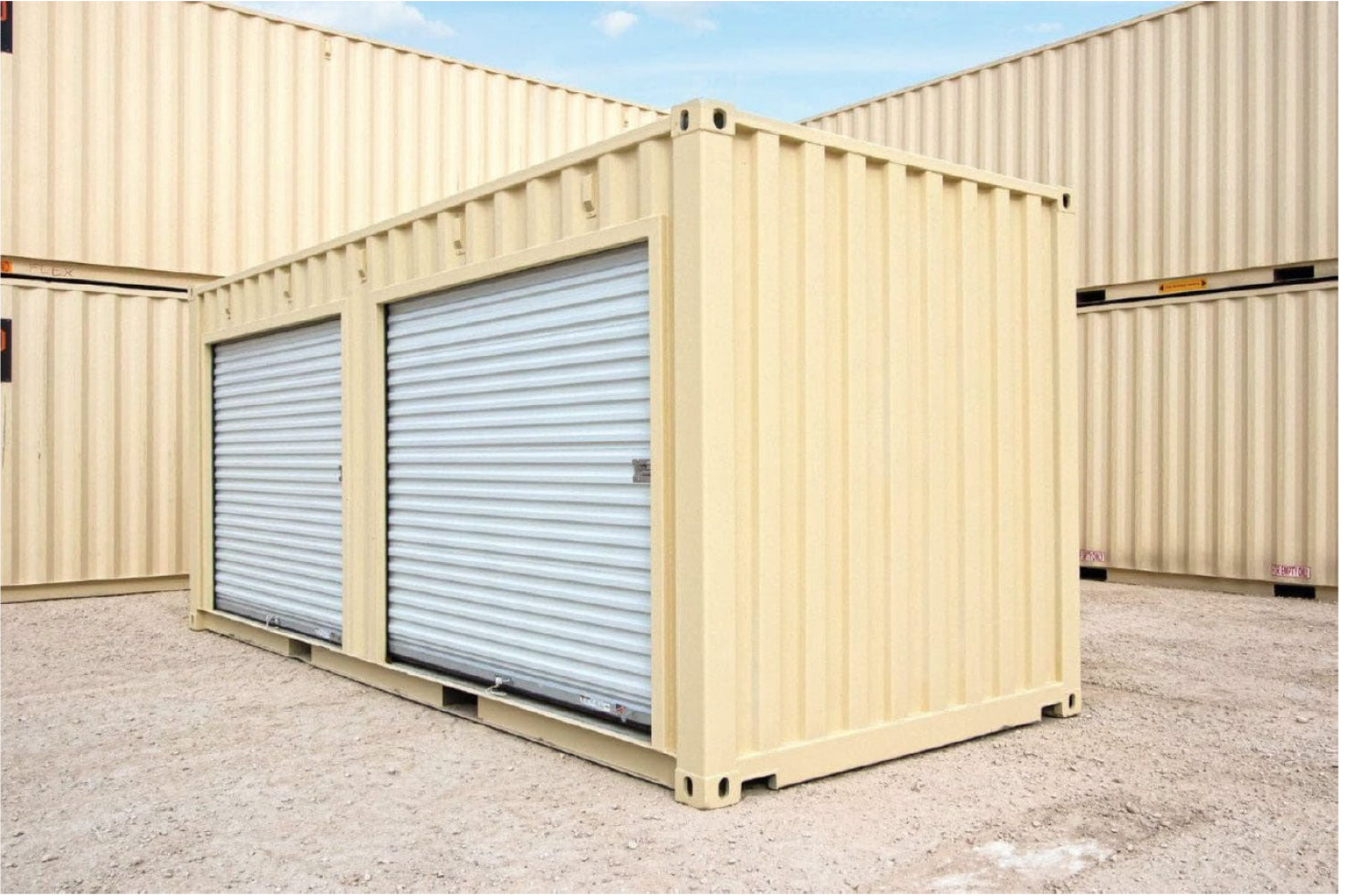
    Our 40ft roll-up door storage unit replaces the standard swing doors with a full-width roll-up door, which makes loading and unloading with a forklift or pallet jack dramatically faster than working through a standard container opening. This is the most popular configuration for retail overflow and warehouse-adjacent storage.

    Climate-controlled storage

    For inventory sensitive to temperature or humidity — electronics, certain retail goods, paper records — a climate-controlled storage unit adds insulation and a small HVAC system to keep interior conditions stable regardless of outside weather, without the cost of building out a full conditioned warehouse bay.

    Placement for a business site

    Most businesses place storage containers in an existing parking area or side lot, which usually means no new foundation work beyond a compacted gravel pad for drainage and stability. Check local zoning first, particularly for placements visible from the street — see our zoning guide for what most municipalities require.

    Security for business inventory

    Because business inventory often has real resale value, most commercial placements add a lock box at minimum — see our security guide for a full setup, and confirm your contents are covered under your business insurance or a dedicated policy per our insurance guide.

    Buy or rent for seasonal needs

    If storage needs spike seasonally rather than year-round, renting may make more sense than buying — see our renting vs. buying comparison. Ready to add storage to your site? Browse portable storage units or get a delivery quote.

  • Modified Shipping Containers for Sale: Doors, Windows & Custom Builds

    Modified Shipping Containers for Sale: Doors, Windows & Custom Builds

    A modified container starts as a standard steel box and gets cut, reinforced, and finished for a specific use — anything from a single roll-up door added to a storage unit to a fully built-out cabin with windows, insulation, and interior walls.

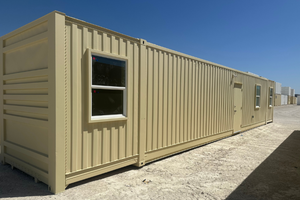
    Modified shipping container bunkhouse cabin
    A fully modified bunkhouse cabin — cut, framed, insulated, and finished from a standard container shell.

    Light modifications

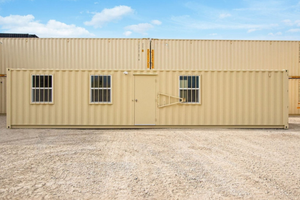
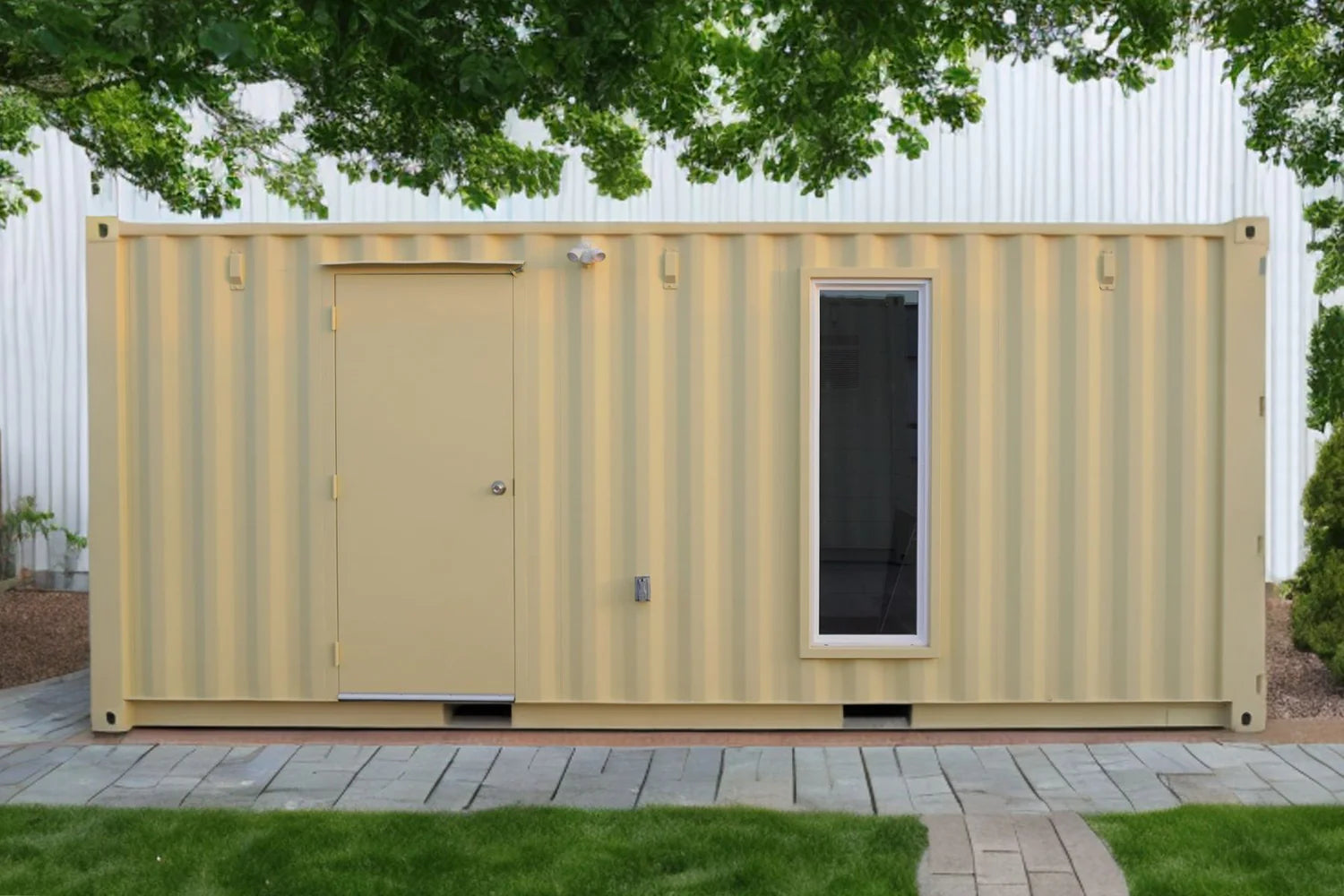
    The simplest modifications add functionality without touching the container’s core structure much: a personnel door cut into a side wall, windows with security bars, or a roll-up door replacing one end for drive-in access. These are common upgrades to an otherwise standard storage or job-site container.

    Full conversions

    At the other end, a full conversion like our 40ft bunkhouse cabin combines multiple cuts (windows, doors, vents), structural reinforcement around each opening, insulation, interior framing, and finished walls — essentially a small building built from a container shell rather than lumber.

    Why reinforcement matters

    Every cut into a container’s steel skin removes some of its structural rigidity, which is why legitimate modification work reinforces each opening with additional steel framing rather than just cutting a hole and trimming it out. This is also why stacking or structural load ratings change once a container has been modified — see our stacking guide for why that matters on multi-container builds.

    Popular modification combinations

    Beyond cabins and offices, common modification packages include roll-up door storage units, side-opening containers for retail or display, and multi-container combinations with connecting cutouts for larger open spaces. See our full modifications guide for a complete breakdown of what’s structurally possible.

    Ordering a custom modification

    Browse our modified container lineup for ready-built options, or reach out to discuss a custom combination of cuts, insulation, and finishes for your specific project.

  • Refrigerated Shipping Containers (Reefers) for Sale: Uses, Power & Pricing

    Refrigerated Shipping Containers (Reefers) for Sale: Uses, Power & Pricing

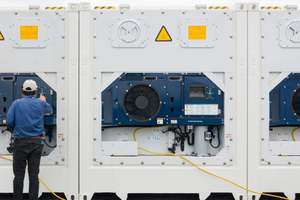
    A refrigerated container, or “reefer,” is a standard container shell with a self-contained refrigeration unit built into one end wall — the same equipment that keeps produce and pharmaceuticals cold on container ships, now available as standalone cold storage for a business or property.

    Refrigerated shipping container reefer for sale
    A working reefer container’s refrigeration unit is built into the front end wall.

    How a reefer actually works

    Unlike a standard container, a reefer has fully insulated walls, a sealed floor designed for cold-chain use, and a refrigeration unit that plugs into standard 3-phase or single-phase power (depending on the model) to hold a set temperature, typically down to around -20°F on commercial units. Our 40ft high cube working reefer is fully functional and tested before delivery.

    Common uses beyond shipping

    Reefers are popular for restaurant and grocery overflow cold storage, farm and produce operations needing on-site refrigeration during harvest, event catering, and emergency or disaster-response cold storage. Because the unit is self-contained, it can run anywhere with adequate power, not just at a port or distribution center.

    Power requirements

    Plan for a dedicated electrical circuit sized to the unit’s compressor draw — this is meaningfully more power than a standard container conversion needs, so confirm your site’s available service before ordering. If continuous power isn’t available on-site, a generator sized for the refrigeration unit’s running and startup load is a common workaround for temporary placements.

    New vs. used reefers

    A “working reefer” designation means the refrigeration unit has been tested and certified functional, which matters far more for a reefer than the cosmetic grading that applies to dry containers — see our grades explained guide for how grading differs for specialized units like this.

    Maintaining a reefer long-term

    Refrigeration units need periodic servicing much like any commercial HVAC/refrigeration system — refrigerant checks, coil cleaning, and door seal inspection. Budget for this the same way you would for a walk-in cooler. Ready to see current reefer inventory? Browse refrigerated containers or request a delivered quote.

  • Shipping Container Homes & Cabins for Sale: Models, Pricing & Livability

    Shipping Container Homes & Cabins for Sale: Models, Pricing & Livability

    Container cabins have become one of the fastest ways to add a livable structure to a property — a guest house, a rental cabin, or a full-time tiny home, delivered mostly finished rather than built from scratch on-site.

    Shipping container retreat cabin for sale
    A 53ft retreat cabin container, finished and ready for delivery.

    Retreat cabins

    Our 53ft retreat cabin and 20ft retreat cabin are built out as complete small living spaces — insulated, wired, and finished inside — sized for a guest house, rental unit, or standalone getaway. The 53ft model gives enough length for a separate sleeping area, while the 20ft is better suited to a compact studio layout.

    Bunkhouse cabins

    The 40ft bunkhouse cabin is designed around multiple sleeping berths rather than an open floor plan, which makes it a popular choice for worker housing on remote job sites, hunting camps, or any use case where you’re housing several people rather than one household.

    Modern cabins

    The 20ft modern cabin leans into residential-style finishes — larger windows, contemporary siding, and a layout closer to a studio apartment than a bunkhouse. It’s a strong fit for a backyard ADU or a short-term rental where appearance matters as much as function.

    What’s included vs. what you’ll still need

    Cabin models generally arrive insulated and framed with electrical rough-in, but plan separately for your foundation, utility connections, and any local permitting — see our full home building guide for the complete checklist before you buy.

    Financing a cabin build

    Because cabins cost more than a bare container, most buyers use financing to spread the cost. Browse the full cabins & tiny homes lineup to compare models side by side.

    Finishing the exterior? See our landscaping & curb appeal ideas.

  • Shipping Container Offices for Sale: Costs, Layouts & What’s Included

    Shipping Container Offices for Sale: Costs, Layouts & What’s Included

    A container office gets a business a real, lockable, climate-controllable workspace on a job site or lot in days rather than months — no framing crew, no foundation pour, just a delivery and a hookup. Here’s what’s typically included and how to choose the right one.

    Mobile shipping container office with bathroom
    A 40ft mobile office container with a built-in bathroom, ready for job-site delivery.

    What comes in a container office

    Most office containers, like our 40ft mobile office with bathroom, arrive insulated, wired for lighting and outlets, and finished with interior wall paneling — essentially move-in ready aside from connecting power and, if included, plumbing. Simpler units skip the bathroom and interior finish for a lower price point, which works well if the office just needs a desk, a heater, and a lockable door.

    Choosing a size

    A 20ft office comfortably fits one or two desks and a small meeting area — enough for a site foreman or small crew. A 40ft office, especially a 40ft insulated office with siding, gives room for multiple workstations, a small conference area, and often a private office or bathroom.

    Insulation and comfort

    Because an office is occupied for full workdays, insulation isn’t optional the way it might be for a storage container. See our insulation options guide for what to look for, and our electrical wiring guide for how power and HVAC circuits are typically run.

    Permits for a job-site office

    Temporary job-site offices are usually easier to permit than a permanent structure, but rules vary by municipality — check our zoning & permits guide before delivery, especially if the office will stay in place longer than a single project.

    Get a container office delivered

    Browse our full container office lineup, check financing options, or get a delivered price through our quote request.

  • Shipping Containers for Storage: Which Size Is Right for You?

    Shipping Containers for Storage: Which Size Is Right for You?

    Storage is the single most common reason people buy a shipping container — no rent, no monthly fee, and a steel structure that will outlast almost anything you put inside it. The main decision is sizing it correctly for what you’re storing.

    40ft shipping container for storage
    A 40ft container holds the contents of a 3–4 bedroom home with room to spare.

    20ft containers: the household and small-business default

    A 20ft container offers about 160 square feet of floor space — roughly the contents of a 1–2 bedroom home, a landscaping crew’s equipment, or several pallets of business inventory. It’s also easier to place on tighter residential lots and generally costs less to deliver given its smaller footprint. See exact interior measurements on our dimensions page.

    40ft containers: for bigger households and businesses

    A 40ft container roughly doubles that to around 320 square feet, enough for a full household move, construction equipment, or a business that needs serious inventory capacity. A 40ft High Cube adds another foot of height, which matters if you’re storing anything tall or plan to stack pallets.

    New, used, or one-trip for storage?

    For pure storage — no conversion, no insulation, just a dry, secure box — a cargo-worthy or wind-and-watertight used container is usually the best value, since cosmetic wear doesn’t affect how well it protects what’s inside. See our grades explained guide for the difference, and our pricing guide for current cost by size and grade.

    Protecting what’s stored inside

    Add a lock box if the container will sit somewhere unsupervised, and consider vents if you’re storing anything moisture-sensitive — see our ventilation guide for why that matters even in a sealed box.

    Buy or rent?

    If you only need storage for a few months, renting may cost less overall than buying — see our renting vs. buying guide to compare. Ready to move forward? Browse containers by size or check delivery availability in your area.

    Need something smaller? See our 10ft container guide for tight-space options.

  • How Many Shipping Containers Can Be Stacked? Structural & Load Guide

    How Many Shipping Containers Can Be Stacked? Structural & Load Guide

    Shipping containers are engineered from the start to be stacked — it’s how they travel by the thousands on container ships, nine or more high, fully loaded. That stacking strength is one of their most useful properties for storage yards and multi-container builds, but it comes with real limits once a container has been altered.

    Shipping container corner casting used for stacking
    The four corner castings carry a container’s stacking load straight down through the frame.

    How stacking actually works

    A container’s strength comes almost entirely from its corner castings and corner posts, not its walls or roof. When containers are stacked, each corner casting sits directly on the one below it, transferring the load straight down through the steel frame rather than through the (much weaker) corrugated wall panels. This is why containers can be stacked so high on a ship: the load path never runs through anything but engineered structural steel.

    What’s actually safe on land

    On a ship, fully loaded containers are routinely stacked eight or nine high with the load spread and secured by the vessel’s cell guides. On land, without that same lateral bracing, most storage yards and structural guidance keep stacking to two or three high for unmodified, standard containers on a level, stable surface, and lower than that for anything less than cargo-worthy condition. Always stack corner-to-corner, never offset, and never stack on soft or uneven ground.

    Modified containers lose stacking strength

    This is the detail that catches a lot of builders off guard: cutting a door, window, or large opening into a container’s walls or roof reduces its structural rigidity, and that rigidity is part of what makes stacking safe. A heavily modified container — multiple cutouts, an open side, a removed end wall — should not be assumed to carry the same stacking load as an unmodified unit unless it’s been specifically reinforced and engineered for that use. This matters most for multi-container homes and offices, where stacked, modified units need real structural engineering, not just the container’s original factory rating.

    Foundations still matter when stacking

    Because the full weight of an upper container transfers straight down through the corners, the foundation under a stacked build needs to support concentrated point loads at each corner, not just an even distributed load. See our foundation & site prep guide for how this changes footing requirements on a multi-container project.

    Related reading

    If you’re planning a stacked, multi-container build, read our modifications guide and home building guide before finalizing a design, and work with a structural engineer for anything beyond two unmodified containers.

    Planning a multi-container build? See our guide to modified shipping containers for sale for how modifications affect what can safely be stacked.

  • Shipping Container Flooring Guide: Materials, Treatment & Replacement

    Shipping Container Flooring Guide: Materials, Treatment & Replacement

    Most shipping container floors are marine plywood bonded to the steel cross-members, engineered to carry rolling forklift loads at sea and on the docks. It’s an extremely durable floor system, but it’s also one of the few parts of a container that can need attention over time — especially on older or heavily used units.

    Interior floor of a shipping container storage unit
    A container’s marine plywood floor is built to carry rolling loads directly on the steel cross-members.

    What the factory floor is made of

    Standard container flooring is 28mm (about 1⅓-inch) marine-grade plywood, historically treated with a preservative to resist rot, insects, and moisture during years of ocean shipping. It’s screwed or bonded to steel cross-members spaced roughly every 10–12 inches, which is what gives the floor its forklift-rated strength.

    Older treatment chemicals: what to know

    Containers manufactured years ago sometimes used older-generation wood preservatives that are no longer considered ideal for enclosed, occupied spaces. If you’re converting an older used container into a home, office, or anything with extended human occupancy, it’s worth confirming the floor’s treatment history or planning to seal, cover, or replace the floor as part of the build. Newer containers use preservatives that are generally considered safer for enclosed use, but checking is still good practice.

    When to replace vs. cover

    A floor with surface wear, minor staining, or light denting from years of cargo doesn’t need replacement — it can be cleaned, sanded, and sealed, or simply covered with your finish flooring of choice (vinyl plank, epoxy coating, or tile over a subfloor layer). Replace the floor outright if there’s rot, delamination, soft spots you can feel underfoot, or damage from a forklift tine puncture, since a compromised floor won’t safely support cross-member spans anymore.

    Finishing options for conversions

    For offices and cabins, a common approach is a thin subfloor layer over the existing plywood, then standard finish flooring — vinyl plank, laminate, or tile — the same as you’d choose for any small structure. For workshops or storage where durability matters more than looks, an epoxy coating applied directly over the sealed plywood holds up well to rolling equipment and spills.

    Related reading

    See our lifespan & maintenance guide for how flooring factors into a container’s overall condition grade, and our grades explained guide for what floor condition to expect at each grade. Browse storage unit containers with floors ready for immediate use.

    Setting up a storage container? See portable storage for business for flooring considerations on business inventory.

    Prepping before move-in? See our cleaning & interior prep guide.

  • Shipping Container Roofing Options: Flat vs Pitched Roof Conversions

    Shipping Container Roofing Options: Flat vs Pitched Roof Conversions

    A container’s factory roof is flat corrugated steel, crowned just slightly in the center to shed water toward the sides. That works fine on a ship or a job site, but for a conversion that will be lived in or seen by customers, roofing is one of the first design decisions that affects both function and curb appeal.

    Modern shipping container cabin exterior
    A modern cabin build keeping the factory flat roof, finished with clean siding and trim.

    Keeping the factory flat roof

    The simplest and least expensive option is to keep the original flat roof and add a membrane coating or additional insulation on top. This works well for offices, storage conversions, and budget cabin builds, and it keeps the container’s structural roof panel doing exactly the job it was engineered for. The tradeoff is a slightly warmer interior in direct sun unless roof insulation is upgraded, and ponding water can be an issue if the roof isn’t perfectly level.

    Adding a pitched roof

    A pitched roof is built as a separate structure over the container — typically a light steel or wood frame with standard roofing (metal panel or shingles) — rather than replacing the container’s own roof panel, which stays in place as the ceiling. This adds real headroom for a loft, sheds water and snow far more effectively than a flat surface, and gives a container home a look that reads as a house rather than a box. It’s the more expensive option, both in materials and in the structural work to support the added frame.

    Cool roofing and reflective coatings

    For hot climates, a reflective roof coating over the existing flat roof cuts solar heat gain significantly without the cost of a full pitched-roof build. This pairs well with the insulation upgrades covered in our insulation guide, and it’s a common addition to container offices and retail conversions that need to stay comfortable without oversized HVAC.

    Drainage still matters either way

    Whichever roof style you choose, confirm water sheds cleanly away from door seals and any roof penetrations (vents, skylights, HVAC curbs). Poor drainage around a modified roof is one of the more common sources of leaks in container conversions, precisely because the factory roof wasn’t designed with those cutouts in mind.

    Related reading

    See our modifications guide for what roof cuts and reinforcements involve structurally, and our home building guide for how roofing fits into a full build plan. Browse cabin & tiny home containers to see finished roofing styles on real units.

    Choosing a roof style for a real build? See our container homes & cabins for sale to compare finished roofing on real models.